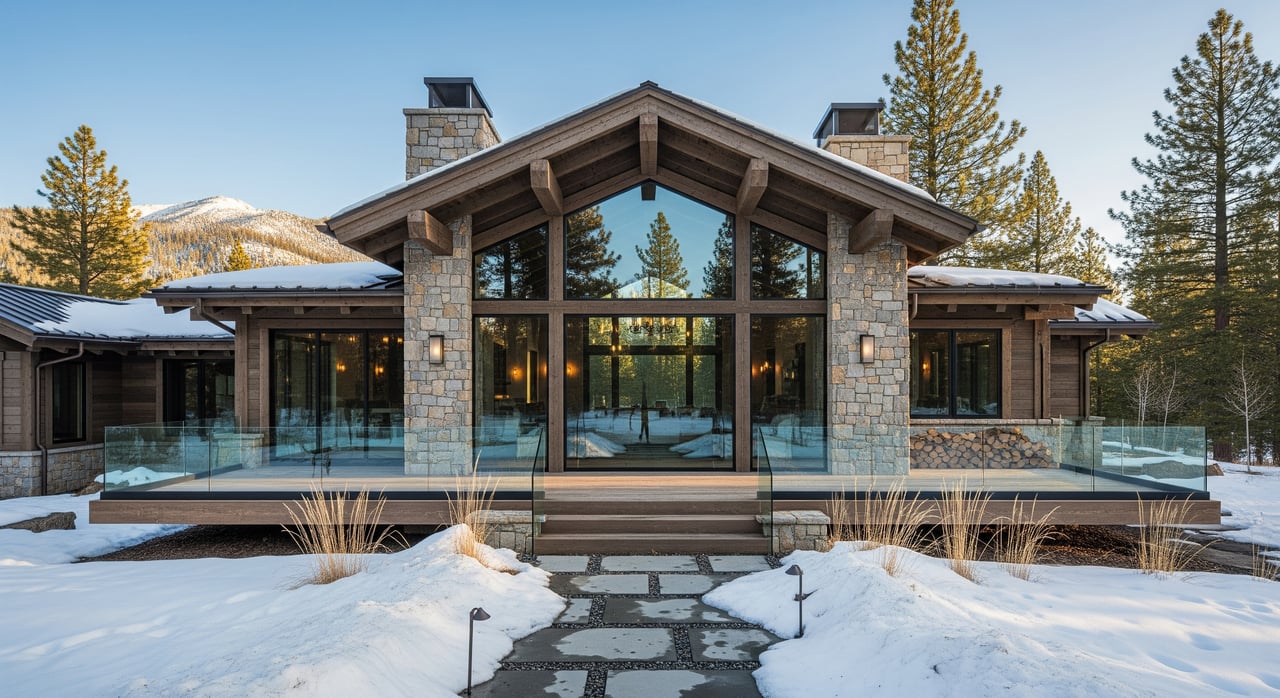
Planning a Truckee move but unsure when to act? In mountain towns, timing is not just a detail. Seasons shape demand, inventory, pricing, and even how you inspect a roof. If you understand Truckee’s winter and summer rhythms, you can plan a smoother sale or purchase and feel confident about your results. This guide breaks down what to expect in each season and how to align your strategy. Let’s dive in.
Why Truckee has strong seasons
Truckee’s market follows the patterns of ski season and summer lake life. Visitor flows swell in winter and again in summer, which drives demand for second homes and vacation-oriented properties. A high share of homes are used seasonally or as short-term rentals, which means availability shifts as owners occupy them.
Winter weather also has an impact. Snow, storms, and road conditions affect showings, inspections, and moving logistics. Local short-term rental rules and permitting cycles influence when investors list or buy. Broader factors like mortgage rates and the overall economy can amplify or soften these patterns.
Winter ski season: November to March
What sellers can expect
Inventory is often tighter because many owners keep properties for personal use. If you list a ski-accessible or turn-key home, buyer interest can be strong and days on market can be short when presentation and pricing are on point. If your property is off the beaten path or has winter access challenges, expect a smaller buyer pool and more negotiation.
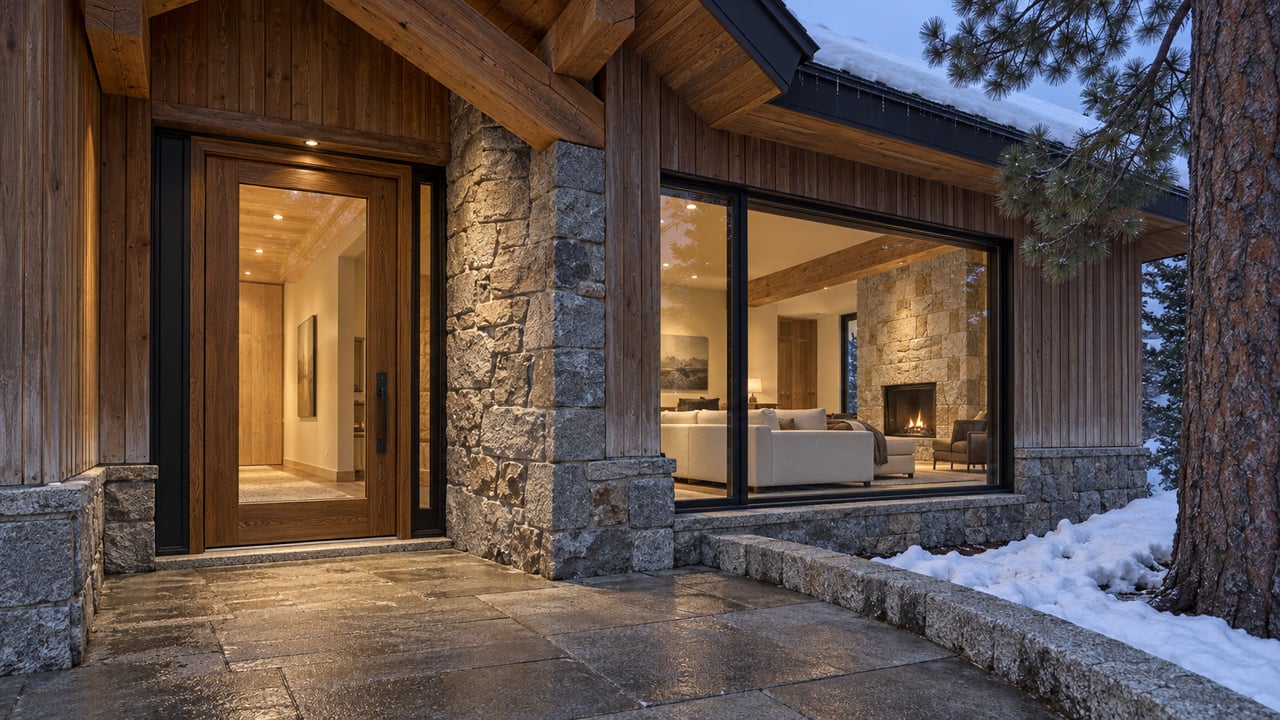
Plan for winter logistics. Clear snow, light the home well, and have documentation ready for heating, insulation, and snow removal. Professional winter photography can help buyers appreciate the setting when days are short.
What buyers can expect
You may see fewer options, especially near resorts. Prime ski properties can draw quick offers, and cash is common. For homes without ski adjacency or with winter access concerns, you may find more room to negotiate.
Inspections require winter-specific expertise. Ask about roof loading, ice dams, heating performance, and freeze protection. Build buffer time into your closing in case of weather delays.
Spring shoulder: April to May
What sellers can expect
Listing activity often ramps up after winter. Many owners prepare for summer buyers and want to close before peak travel. If you price with the market and present well, you can capture early momentum while inventory is still building.
Use this window to complete maintenance, fresh landscaping, and any light updates. Prep now so your listing is ready for summer traffic.
What buyers can expect
You will likely see more options as new listings arrive. Days on market can shorten, so have your financing, due diligence plan, and timeline ready. Spring is a good time to evaluate properties without deep snow cover.
Summer lake season: June to September
What sellers can expect
Summer brings the most in-person visits and showing activity. Inventory often peaks, and well-marketed homes with outdoor appeal or proximity to summer amenities can perform well. With more competing listings, strong presentation and pricing discipline matter.
Highlight outdoor living, decks, yards, and trail or lake access. Consider aerial or lifestyle imagery where appropriate to showcase setting and views.
What buyers can expect
You will have more choices and easier access for showings and inspections. Competition can be real for standout homes with summer features. Contractor schedules and appraisals are usually more predictable than in winter, which can streamline your process.
Fall shoulder: October to November
What sellers can expect
Activity often eases after summer. Some owners choose to list before winter to reach off-peak buyers. Fewer buyers can mean longer days on market, but motivated purchasers are still watching for value.
Prepare for early winter conditions. Confirm plowing plans and showcase how the home functions in cold months.
What buyers can expect
You may find more negotiating leverage on properties not centered on ski access. Inventory starts to tighten as owners pull listings for winter use. If you plan to use a home for the upcoming ski season, start early so inspections and closing can finish before heavy snow.
Pricing, inventory, and days on market
- Pricing strategy: Align your list date with the season that fits your property’s strengths. Ski-adjacent homes tend to benefit from late fall or early winter exposure. Lake and outdoor-oriented homes often shine in late spring and early summer.
- Inventory cycles: Winter supply is often lower, which can boost competition for desirable listings. Summer offers more selection, which helps buyers but can lengthen time to sell for some homes.
- Days on market: Expect shorter timelines when your property matches the current season’s demand. Shoulder months can see longer DOM for certain property types.
Inspections, appraisals, and financing
- Winter inspections: Focus on heating performance, insulation, roof snow loads, ice dams, and freeze protection for plumbing. Ensure safe access for inspectors and appraisers.
- Summer inspections: Evaluate drainage, grading, landscaping, decks, and exterior wear. Warm weather can reveal settling or water issues that winter hides.
- Appraisals and financing: Resort markets see higher shares of cash and jumbo loans. Appraisers may have limited recent comparables in off-peak months, so clear documentation and strong marketing packages help support value.
Short-term rental timing
If you are buying for rental income, align your close with peak booking months. Confirm licensing, permitting, and tax registration timelines with local agencies before you write an offer. Match your purchase schedule to the season that maximizes your first year of occupancy and revenue.
When to list by property type
- Ski-in/ski-access homes and condos: List shortly before or early in ski season. Emphasize proximity, gear storage, parking, and winter maintenance.
- Lake-access and outdoor-focused homes: List in late spring or early summer. Showcase outdoor spaces, trail connections, and summer-friendly floor plans.
- Year-round primary homes: You can list in any season. Tailor your presentation to current conditions and highlight practical features like storage, access, and energy efficiency.
Logistics and holiday timing
Late December into early January and major summer holiday weekends often bring fewer showings and slower response times. If your goal is maximum exposure, consider avoiding these periods or price with that reality in mind. Build flexibility into timelines during winter in case storms impact closings or moves.
Practical checklists
Seller checklist
- Choose timing that fits your property’s seasonal appeal.
- Complete maintenance and gather service records, including snow removal and system checks.
- Stage for the season and invest in professional photography.
- Set a pricing strategy based on current local reports and competing listings.
- Plan for access: clear snow in winter, clean and prep outdoor areas in summer.
Buyer checklist
- Decide if your priority is best price or immediate seasonal use.
- Get pre-approved early and understand jumbo or cash dynamics.
- Align inspections with season so issues are visible.
- Build buffer days into winter timelines for weather.
- If investing, confirm licensing timelines and target closing before peak season.
How we help you time it right
You deserve advice grounded in real local experience. Our boutique team blends design-forward presentation with rigorous transaction management, which is essential in Truckee where seasonality, permitting, and access can affect value. With architectural insight to elevate your listing and broker-attorney expertise to navigate contracts and contingencies, we help you choose the right season, price with confidence, and close smoothly.
Ready to plan your move around Truckee’s rhythms? Reach out for a detailed, property-specific timeline and strategy. Schedule a Consultation with Carina Cutler.
FAQs
What is the best time to list a Truckee ski condo?
- List shortly before or early in ski season to meet active buyers, and prepare winter-ready documentation for heating, snow removal, and access.
Is summer always the best season to sell in Truckee?
- Summer is strong for outdoor-focused homes, but ski-access properties often perform best in late fall or winter when the right buyers are here.
Can buyers get better deals in Truckee during winter?
- Sometimes, especially for homes without ski adjacency or with winter access challenges, but prime ski properties can still see strong competition.
How does Truckee weather affect inspections and closings?
- Winter requires specialized inspections for heating, roofs, and freeze risks, and storms can delay closings, so build buffer time into your plan.
What should STR investors consider about timing in Truckee?
- Align your closing with peak booking seasons and confirm current licensing and tax requirements with local agencies before you write an offer.