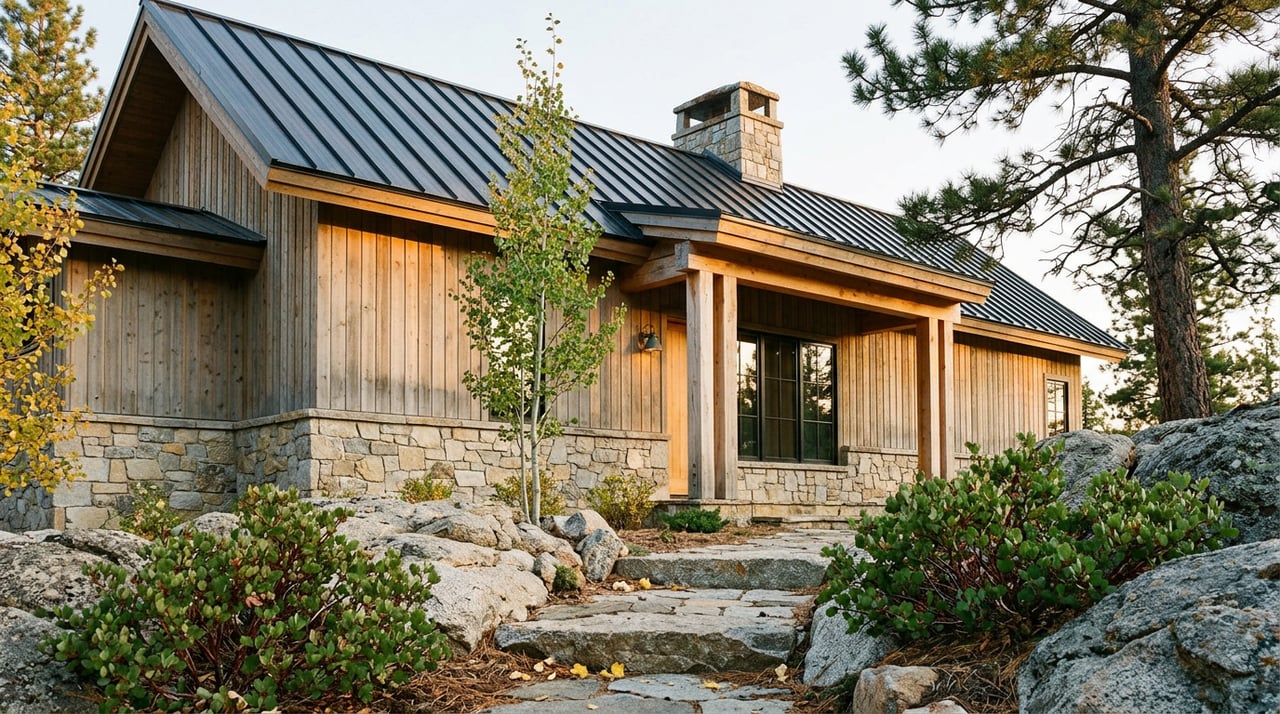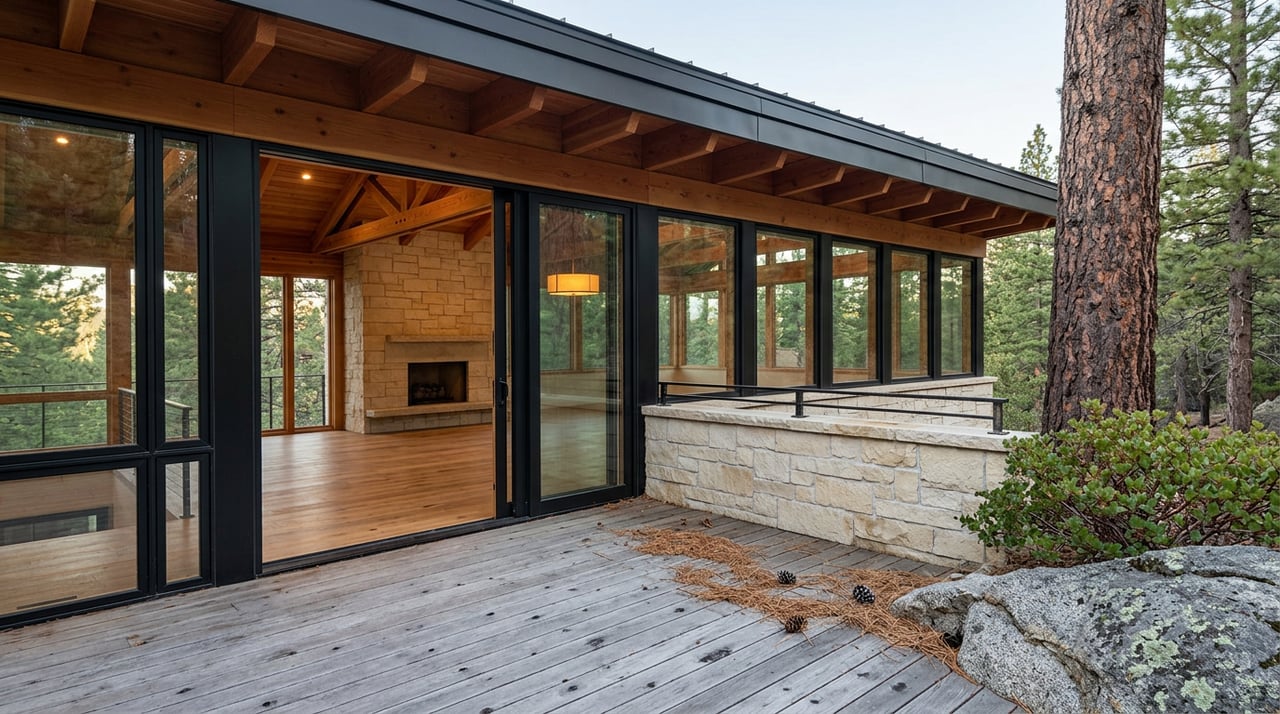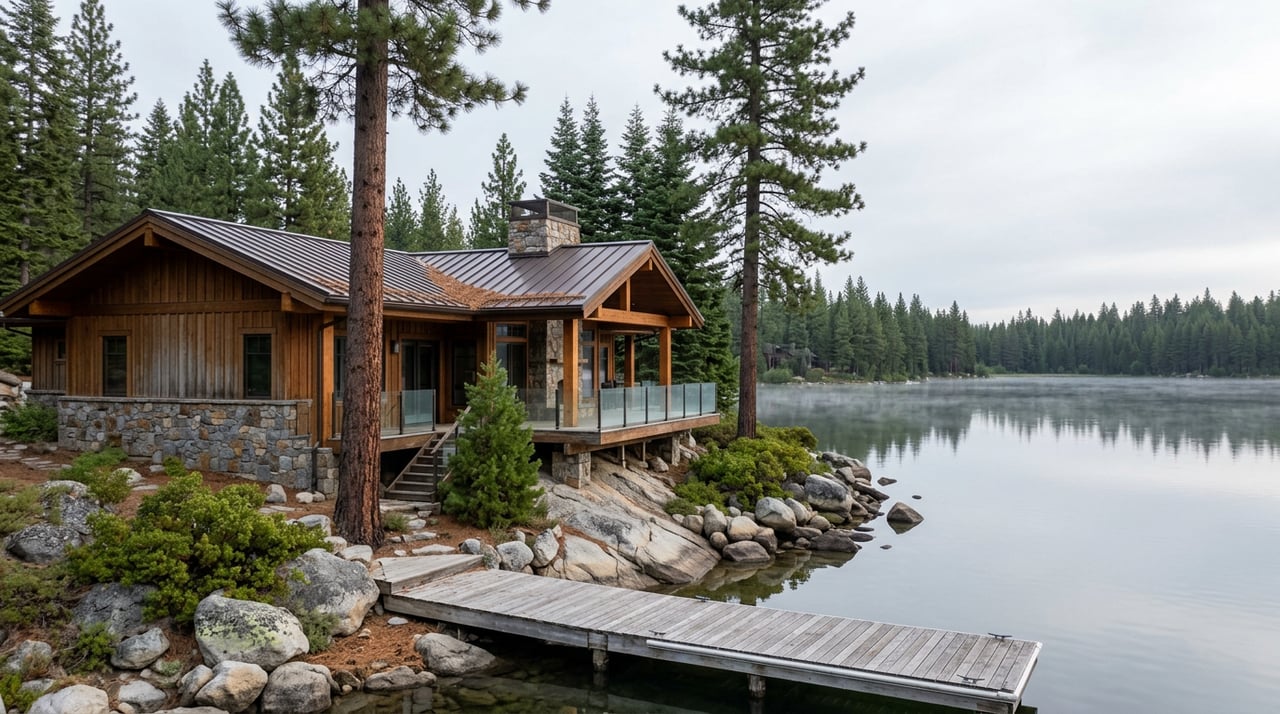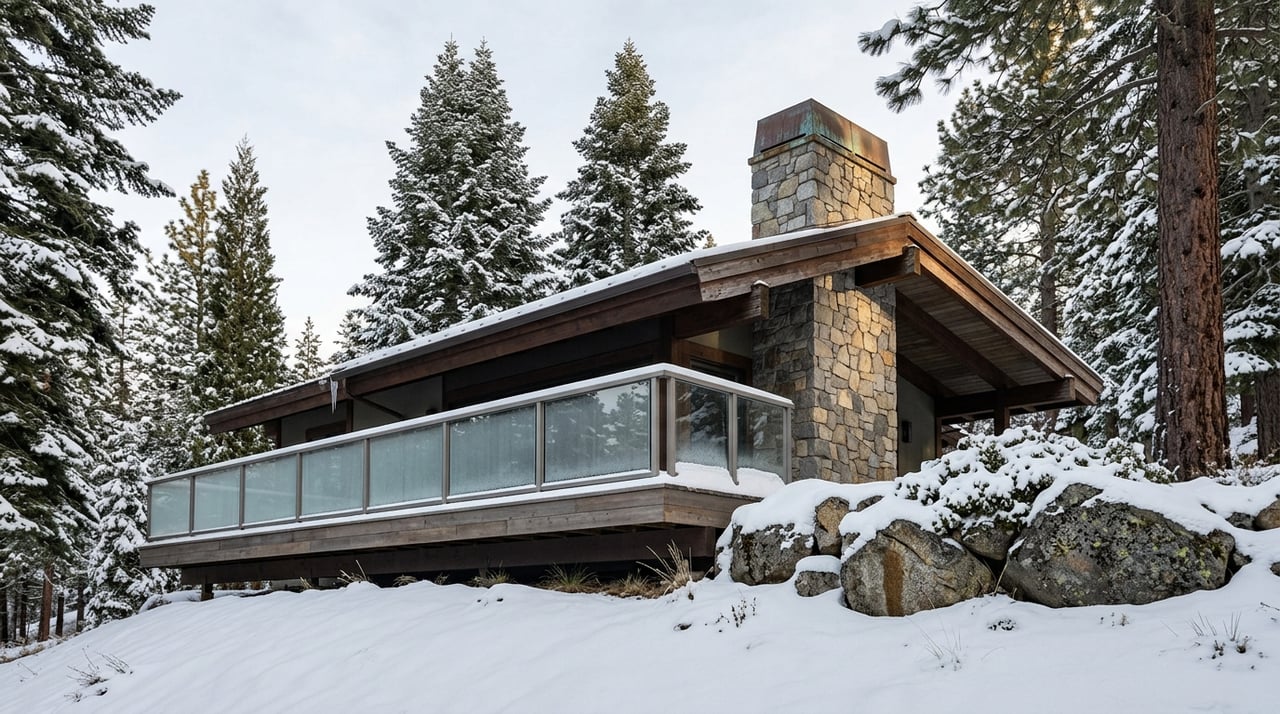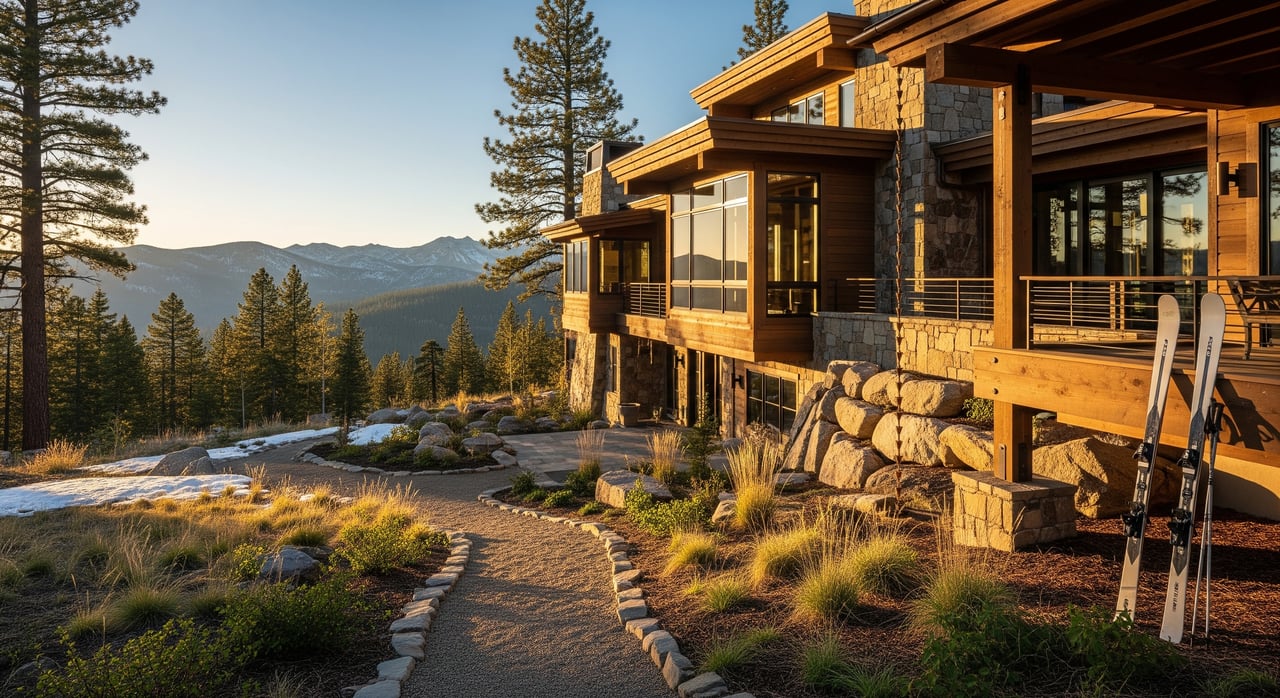
Dreaming of a Truckee lifestyle that works in January as well as July? You want reliable access for work, great trails out your door, and a neighborhood that feels like home year-round. In this guide, you’ll get a clear, local view of how Truckee’s neighborhoods differ on commute routes, winter living, schools, and recreation so you can choose with confidence. Let’s dive in.
What year-round living really means
Truckee sits at about 5,800 feet in the northern Sierra Nevada. The mountain climate brings regular winter storms, heavy snowfall, and periods of chain controls on Interstate 80. That means drive times, road access, and home design all matter when you live here full time.
If you plan to commute, expect smooth days and snow days. Under good conditions, Truckee to Reno is often 30 to 45 minutes, and Truckee to Sacramento can be 1.5 to 2 hours. During storms, those times increase, and occasional closures at Donner Summit can delay travel. Many locals build in flexibility or hybrid work to keep life moving.
Year-round living also means choosing a home that handles snow and freeze-thaw cycles well. Roof snow load, driveway grade, garage clearance, and snow-removal plans are important details to assess before you buy.
Commute and connectivity
Truckee’s two main arteries are I-80 and Highway 267. Proximity to these routes affects your daily convenience and storm-day reliability. Neighborhoods closer to I-80 and major arterials typically see earlier plowing. Smaller neighborhood streets may be cleared later, so it helps to understand your street’s plow priority and whether roads are public or private.
If you need consistent airport access or frequent trips to Reno-Sparks, consider neighborhoods with quick I-80 access. If your day-to-day revolves around Truckee services and Tahoe resorts, Highway 267 and town-centered neighborhoods may be ideal.
Schools and community services
Most addresses feed into Tahoe Truckee Unified School District (TTUSD), with charter and private options in the broader area. School boundaries can change, so verify your specific address with TTUSD maps. For utilities, many homes are served by Truckee Donner Public Utility District for power and water. Outlying areas may have septic and well systems. Broadband and cell coverage vary by neighborhood and even by street, which is key for remote work.
Trails, lakes, and mountain access
No matter where you land, you’re close to outdoor access. But the kind of access varies. Some neighborhoods border Tahoe National Forest or connect to internal trail systems. Others offer easy staging to Donner Lake, cross-country networks, and ski areas. If daily trail use is a priority, look for walkable trailheads, HOA trail systems, or groomed winter routes nearby.
Neighborhood snapshots
Old Town and Downtown Truckee
- Character: Historic, walkable, and lively with restaurants, shops, farmer’s markets, and year-round cultural events. You can live within walking distance of daily essentials.
- Commute: Central location with quick I-80 access and short local trips. Bike and pedestrian options are better here than in most areas.
- Winter living: Downtown streets are usually priority for plowing. Older homes may need retrofits for snow loads and insulation. Driveways can be compact or steep, so check clearance and parking.
- Recreation: Walk to Truckee River paths and parks, with easy staging to the region’s trailheads and ski areas.
- Housing: Mix of historic homes, newer infill, condos, and lofts. Expect a vibrant setting with more year-round activity and some seasonal visitor traffic.
Tahoe Donner
- Character: Large master-planned community known for amenities and active programming. Popular with full-time residents who want recreation close to home.
- Commute: Multiple entrances provide reasonable access to I-80 and Highway 267. Commute times vary by location within the community.
- Winter living: HOAs coordinate many area services and maintain community roads. You still manage your own driveway and roof snow. On storm days, staying close to home is easy thanks to on-site activities.
- Recreation: Extensive internal trail network plus cross-country and small downhill ski areas, golf, equestrian, pools, and a full recreation center.
- Housing: Single-family homes, townhomes, and condos across various phases, each with its own HOA structure and dues.
Glenshire and North Truckee
- Character: Established, suburban-style neighborhoods with yards and a quieter feel than downtown. A favorite for buyers seeking a residential vibe.
- Commute: Generally good town access and a short drive to services. I-80 is reachable without crossing the busiest parts of town.
- Winter living: Some pockets sit slightly lower, which can mean marginally less snow, but winter readiness is still essential. Check driveway slope and plow schedules.
- Recreation: Local parks and solid trail access, plus reasonable drives to Donner Lake and national forest trailheads.
- Housing: Predominantly single-family homes built over several decades.
Donner Lake
- Character: Lakefront and near-lake living with a strong outdoor focus. You can find everything from classic cabins to modern, year-round homes.
- Commute: The north shore sits close to I-80. East and west shore access and street grades vary, which can matter in winter.
- Winter living: Lake microclimates can shift snowfall. Some streets are secondary plow priorities. Waterfront properties often need robust winter plans and good parking solutions.
- Recreation: Excellent access to boating, paddling, and fishing in summer, plus nearby trailheads. Winter lakeshore access varies by conditions.
- Housing: A mix of historic cottages, remodeled homes, and newer builds. Some roads and lots have limited winter access.
Martis Valley and Northstar
- Character: Resort-adjacent, higher-end communities with immediate access to downhill skiing, golf, and planned amenities. Martis Camp is gated and private with premium offerings.
- Commute: South of town with quick Highway 267 access. Trips into Old Town are moderate.
- Winter living: Higher elevations get significant snow. HOAs often manage roads and snow on common areas, but driveway and roof management remain your responsibility.
- Recreation: Outstanding access to lifts, groomed trail networks, mountain biking, and resort programming.
- Housing: Luxury single-family homes, townhomes, and ski-oriented properties. HOA and private club fees are common.
Prosser, Hirschdale, Donner Summit, and rural north Truckee
- Character: More rural and private with larger parcels and direct access to high-country terrain. Ideal if you value quiet and space.
- Commute: Longer drives to town and variable winter access. Expect more exposure to chain controls and slower clearing on smaller roads.
- Winter living: Deeper snow and wind exposure are typical. Long driveways and private roads require sturdy snow-removal plans and roof design suited to heavy loads.
- Recreation: Excellent backcountry access for hiking, biking, fishing, and high-alpine adventures.
- Housing: Cabins, ranches, and modern mountain homes. Septic and well systems are common in these areas.
Winter readiness checklist
Use this quick list when evaluating a home for year-round living:
- Snow plan: Confirm who handles driveway plowing and walkways. Ask sellers about their contractors and typical costs.
- Roof and structure: Review roof pitch, snow-load history, and any retrofits. Check for ice-dam mitigation and attic ventilation.
- Access and parking: Note driveway length and grade, garage height, and off-street parking during snow berm buildup.
- Roads and responsibilities: Determine if your street is public or private, plow priority, and who pays for road maintenance.
- Utilities and backup: Confirm provider details, including power, water, sewer vs septic, and broadband options for your exact address.
- Insurance and wildfire: Verify current insurance availability and required defensible space. Ask about winter storm coverage and loss-of-use provisions.
- Seasonal patterns: Visit at different times, such as a winter weekday and a summer weekend, to gauge traffic, noise, and neighborhood activity.
- HOA review: Request rules, dues, reserve studies, and the history of special assessments. Understand any rental restrictions.
Schools, childcare, and youth activities
If schools and youth programs are priorities, focus on proximity to TTUSD campuses and bus routes. Boundary maps change, so confirm your exact address with the district before you commit. Many neighborhoods have strong year-round community programming, from recreation center classes to local sports and arts. Consider travel times to activities during winter when daylight is limited and roads can be slick.
Remote work, power, and internet
For hybrid or remote schedules, confirm service at the address level. Ask about broadband speed options and cell coverage. In winter, power reliability can vary by micro-area. Some buyers choose homes wired for generators or battery backup for added resilience.
HOA and financing notes
Resort and master-planned communities often deliver excellent amenities and coordinated snow management, which can simplify daily life. Those benefits come with dues, rules, and occasional special assessments. If you are considering part-time rentals, understand restrictions before writing an offer. Lenders may also have specific guidelines for homes in high-seasonal markets, so check your financing early.
How we help you choose well
Truckee neighborhoods have nuance that is easy to miss in a quick tour. Our approach combines on-the-ground knowledge with design and transaction expertise so you can make a confident, year-round choice.
- We evaluate winter livability: driveway grades, plow history, roof snow load, and garage clearance.
- We verify the details: jurisdiction, utilities, HOA strength, and road responsibilities.
- We map your daily life: commute options, school boundaries, and trail access within your routine.
- We protect your purchase: clear guidance on permits, title, and community rules.
If you’re weighing Tahoe Donner versus Glenshire, downtown convenience versus lake life, or resort access versus rural quiet, let’s talk through the trade-offs and tour at the right times of day and season. To start your Truckee search with a thoughtful plan, connect with Carina Cutler.
FAQs
Can you commute from Truckee to Reno year-round?
- Yes, under good conditions it is often 30 to 45 minutes, but winter storms and chain controls can add significant time, so plan for flexible schedules and contingencies.
Which Truckee neighborhoods feel less seasonal for full-time living?
- Historic Old Town and established suburban neighborhoods like Glenshire often have more year-round residents, while resort-adjacent and lakefront areas can see more seasonal turnover.
What should I budget for snow removal at home?
- Expect to hire regular driveway plowing and handle roof and walkway management; costs vary by driveway length, grade, and contractor availability.
How do I compare trail access between neighborhoods?
- Look for walkable trailheads, internal HOA trail systems, groomed winter routes, and the elevation gain needed to reach singletrack or alpine terrain.
How do HOAs help with winter living?
- Many HOAs manage snow on community roads and offer close-to-home recreation, but you remain responsible for your driveway and roof; understand dues, rules, and assessments before buying.