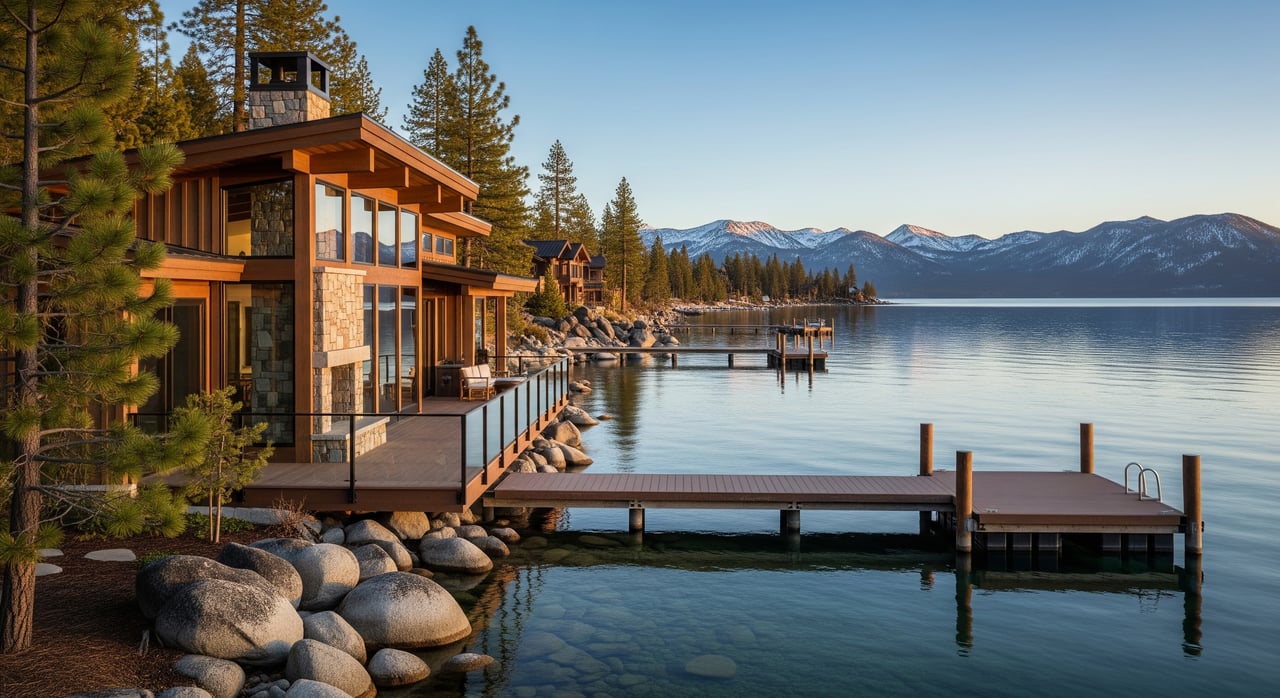
Dreaming of a Tahoe City retreat and weighing whether a jumbo loan makes sense for your second home? You are not alone. Many Tahoe City properties sit above standard conforming limits, which means you may need a jumbo mortgage and a bit more preparation to close smoothly. In this guide, you will learn what defines a jumbo loan, how lenders view second homes, what to expect from underwriting, and the local factors that can shape your approval and timeline. Let’s dive in.
Jumbo loans explained
A jumbo loan is a mortgage that exceeds the conforming loan limit set each year by the Federal Housing Finance Agency. Because it is non-conforming, it follows private or portfolio lender rules rather than agency guidelines. In resort markets like Tahoe City, prices often push beyond conforming thresholds, so many buyers use jumbo financing.
Before you set your budget, check the current conforming limit for Placer County to see if your target price would require a jumbo loan. Limits update annually, and lenders, appraisers, and your agent will reference the current year when structuring your offer and pre-approval.
Why occupancy matters for second homes
Lenders classify homes as primary, second home, or investment. The terms you receive depend on this classification.
For a true second home, lenders typically expect personal use, not primarily business use. Frequent short-term rentals can cause the property to be treated as an investment, which often means stricter underwriting. Some lenders consider the distance from your primary residence, but many focus more on your intent to maintain your primary home and use the Tahoe City property for vacations and seasonal stays.
If you plan to rent occasionally, disclose this early. Many lenders restrict or prohibit short-term rentals for second homes, or they adjust terms if rental income is significant.
What jumbo underwriting looks for
Credit and debt-to-income
Jumbo programs often favor strong credit. Many lenders price best with mid-700s scores or higher, and they commonly cap debt-to-income ratios in the 40 to 50 percent range. If your DTI runs high, substantial liquid assets or alternative qualifying methods may help.
Down payment and maximum LTV
Second homes usually require larger down payments in jumbo programs than primary residences. Maximum loan-to-value limits vary by lender and can be lower for second homes, properties with short-term rental history, or higher risk locations.
Reserves and liquidity
Expect meaningful cash reserves measured in months of principal, interest, taxes, and insurance. For jumbo second homes, requirements often range from several months to a year of PITI, and they tend to increase with larger loans, higher LTVs, resort locations, or multiple financed properties. Lenders place high emphasis on liquid assets and overall financial strength.
Income documentation and alternatives
Full documentation is the norm. Employed buyers typically provide recent pay stubs and W-2s, along with tax returns as required. Self-employed buyers commonly provide two years of personal and business returns and a current profit and loss statement. Some high-net-worth buyers qualify through asset-based programs such as asset depletion or bank statements, depending on the lender and loan size.
Appraisals and valuation in Tahoe City
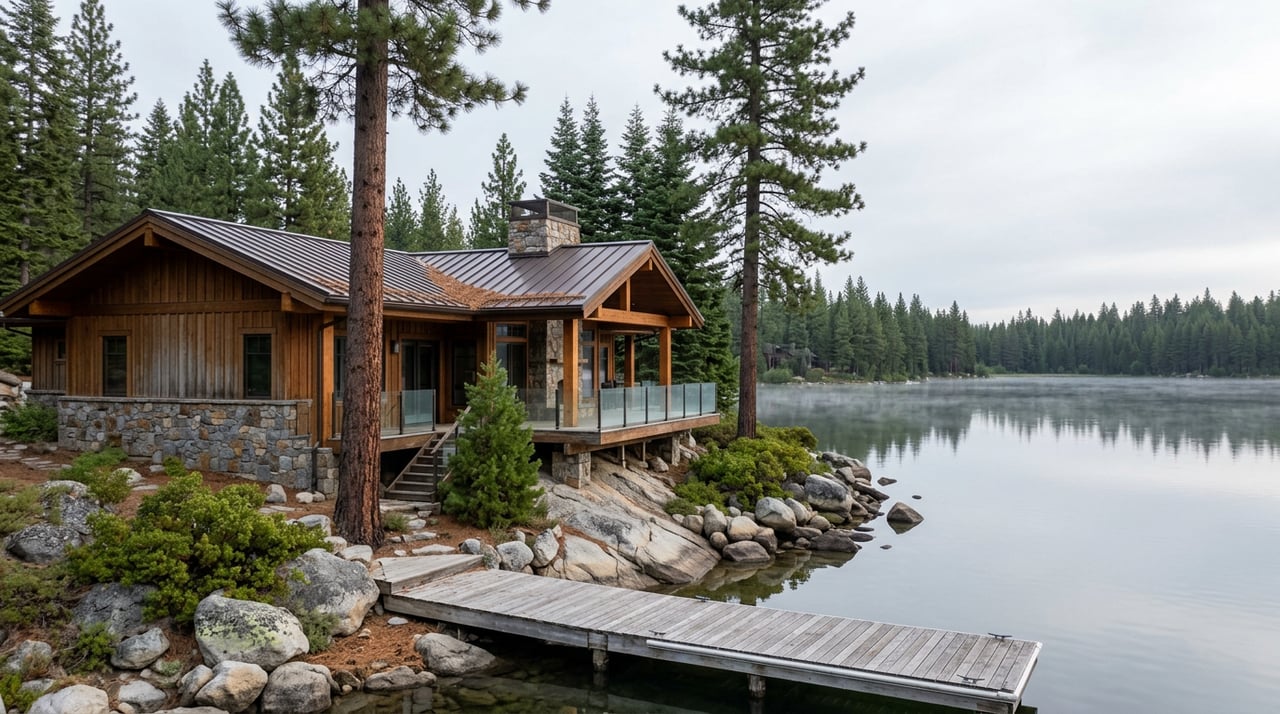
In Tahoe City, unique amenities such as lake access, private docks, ski proximity, and views can complicate valuations. Comparable sales may be limited, which can lengthen timelines and increase the chance of appraisal gaps. Lenders often order appraisal reviews for larger or more complex files. Build time for this into your purchase plan.
Insurance and title requirements
Hazard insurance is required, and coverage availability and premiums can be affected by wildfire exposure, heavy snow loads, and flood risk. Obtaining quotes early helps you confirm insurability and costs. Standard California title and escrow practices apply, and lenders may require additional endorsements or coverage for high-value properties.
Cash vs financing for high-net-worth buyers
Paying cash has clear advantages. You can present a stronger negotiating position, reduce the risk of financing issues, and close faster. Cash can also help when a property is highly unique and tougher to appraise.
That said, many buyers choose financing to preserve liquidity, maintain investment flexibility, and potentially benefit from tax considerations tied to acquisition indebtedness. With competitive jumbo pricing, the cost of borrowing can compare favorably to expected returns elsewhere. Keep in mind that mortgage interest rules are complex and change over time, so discuss specifics with a tax professional.
There are tradeoffs. Cash can speed escrow, but sellers also consider other terms such as earnest money and appraisal gap coverage. With financing, be prepared for appraisal risk and the possibility of a larger down payment if the valuation comes in low.
Tahoe City factors lenders watch
- Market and appraisal: The North Lake Tahoe market often features luxury and one-of-a-kind homes. Appraisals may take longer and require deeper analysis due to limited comps and premium amenities.
- Insurance exposure: Wildfire and seasonal hazards influence coverage availability and premiums. Lenders want proof of adequate insurance early in the process.
- Property taxes and HOAs: Placer County property tax rules, special assessments, and HOA conditions affect carrying costs and underwriting. HOA financial health and rental policies can influence eligibility.
- Short-term rental rules: Local and HOA policies can change underwriting from second home to investment if rental use is significant. Verify policies upfront to avoid surprises.
- Practical logistics: Winter access, snow removal, utilities, and property management plans can affect valuation, insurability, and how underwriters view long-distance ownership.
Timeline, costs, and common friction points
- Pre-approval: Often days to a week if your documentation is ready.
- Underwriting and appraisal: Jumbo purchases commonly take 30 to 45 days from contract to close, sometimes longer in complex cases.
- Costs: Jumbo loans may include higher appraisal fees and lender charges due to complexity. Escrow, title, and recording follow California and Placer County practices.
Common snags include appraisal gaps, incomplete asset documentation, insurance availability or pricing, HOA or title issues, and short-term rental use that changes occupancy classification.
A focused prep checklist
- Confirm whether you need a jumbo by checking the current conforming limit for Placer County.
- Gather documents early: tax returns, pay stubs, bank and brokerage statements covering 60 to 120 days, and explanations for large deposits.
- Discuss occupancy and any rental plans with your lender upfront to align on second-home underwriting.
- Obtain insurance quotes early, including wildfire and flood where relevant, and secure a binder for your lender.
- Request HOA documents, CC&Rs, and rental policies as soon as you go under contract.
- Ask your lender to engage an appraiser experienced with North Lake Tahoe luxury and resort properties.
- Compare multiple lenders and structures. Review rate, fees, reserve requirements, timeline, and any portfolio flexibility before choosing your path.
Partner with local, principal-level experts
Buying a second home in Tahoe City blends lifestyle, design, and technical detail. You deserve an advocate who knows the neighborhoods and the nuances of luxury and resort underwriting. Our boutique team pairs architectural insight with broker and attorney expertise, which is especially useful when properties involve lake access, seasonal conditions, complex HOAs, or unique valuation features. We coordinate with lenders, help you anticipate documentation needs, and keep your escrow on track from pre-approval through closing.
If you are weighing cash versus jumbo financing and want a clear plan tailored to Tahoe City, reach out to Carina Cutler for a private consultation.
FAQs
What makes a loan “jumbo” in Placer County?
- A loan is jumbo when it exceeds the current FHFA conforming limit for the county and unit type, which updates annually. Many Tahoe City purchases fall into this category.
Can I use Airbnb or VRBO and still qualify as a second home?
- Many lenders restrict short-term rentals for second homes or treat significant rental use as investment, which can change terms. Disclose plans early to align with underwriting.
How much down payment do jumbo second homes typically require?
- Requirements vary by lender, but second homes often have lower maximum LTVs than primary residences. Expect larger down payments compared to conforming loans.
How long does jumbo financing take in Tahoe City?
- Plan for about 30 to 45 days after contract, depending on appraisal complexity, insurance, HOA review, and asset verification. Unique properties may take longer.
How do wildfire risks affect my loan and insurance?
- Lenders require adequate hazard insurance, and wildfire exposure can impact availability and premiums. Obtain quotes early to confirm coverage and cost.
What documents will my lender request for a jumbo second home?
- Expect ID, a loan application, income and asset documentation, tax transcripts, appraisal and title reports, insurance binder, and HOA documents if applicable.