Are you trying to choose between a condo and a townhome in Olympic Valley? With ski days, gear rooms, and HOA rules in the mix, the right fit is not always obvious. You want low stress, smart costs, and a place that fits how you live or rent. This guide breaks down the key differences in 96146, from HOA coverage to storage, parking, and rental rules, so you can buy with confidence. Let’s dive in.
Condos vs townhomes at a glance
What a condo usually offers
Condos in Olympic Valley are often in larger buildings near the resort, sometimes stacked or elevator served. Floorplans are typically single level with shared hallways and common entries. HOAs commonly cover the exterior, roof, and most common areas. You trade higher dues for convenience and a lock-and-leave lifestyle.
What a townhome usually offers
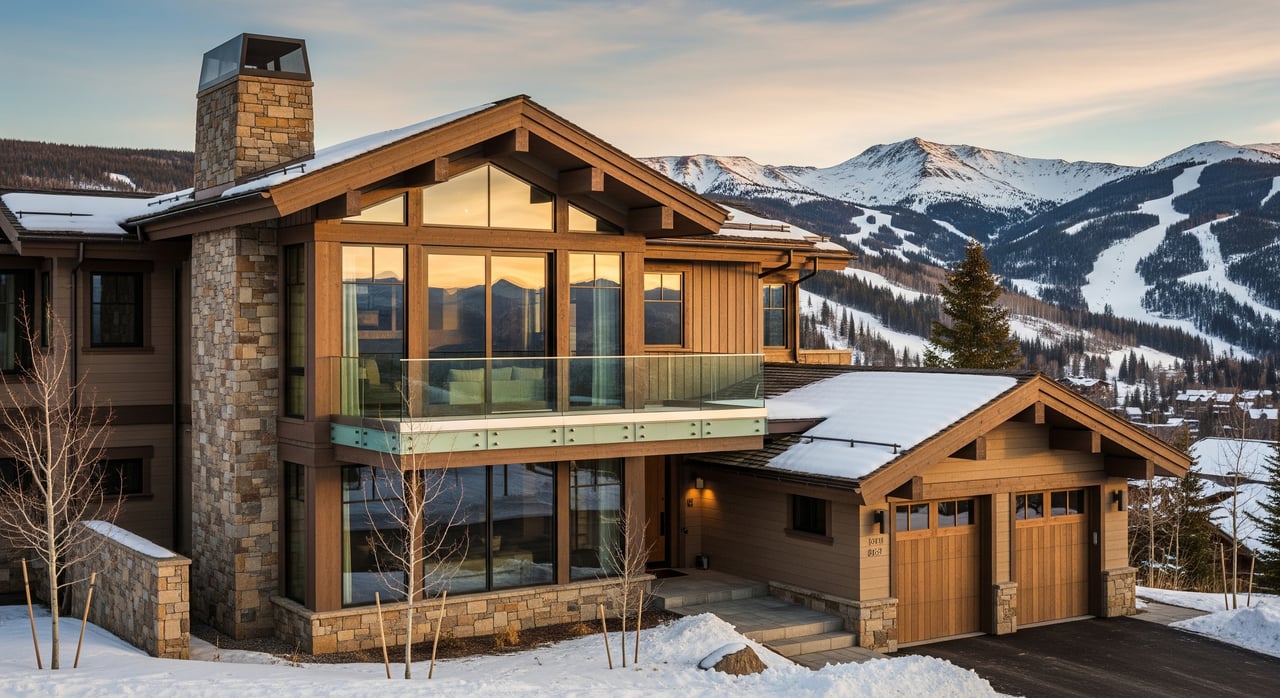
Townhomes are typically multi-level with a private entry and, often, an attached garage or driveway. You tend to get more space, private storage, and a deck or small yard. HOA coverage varies more than with condos, so your maintenance responsibilities can differ from project to project. The layout can be more flexible for interior updates when changes do not affect shared structures or exteriors per the CC&Rs.
HOA fees and maintenance in 96146
In California, associations operate under the Davis-Stirling Common Interest Development Act. This framework shapes how HOAs disclose financials, govern rules, and manage assessments. In practice, what matters to you is how the CC&Rs divide maintenance and insurance and how well the HOA is funded.
- Condos: HOAs often cover the building envelope, roof, foundation, and common systems, plus snow removal and landscaping. Owners usually insure interiors, finishes, and liability.
- Townhomes: Coverage varies widely. Some associations handle roofs, siding, and snow removal, while others place more responsibility on owners. Always verify the exact division in the CC&Rs.
Key documents to review include CC&Rs and Bylaws, budgets, reserve studies, insurance declarations, and recent meeting minutes. Strong reserves reduce the risk of special assessments. Meeting minutes also reveal patterns like water intrusion, roof replacements, or rental enforcement issues.
Space, storage, and parking for mountain life
Gear and layout realities
Ski and bike storage is a practical must in Olympic Valley. Condos may provide lockers or shared storage rooms. Townhomes commonly offer private garages or attic space, which is useful for bulky gear and seasonal items. If you plan to remodel, townhomes often allow more interior changes, within CC&R and permit limits.
Parking and snow management
Parking can be tight near the resort. Condos may have assigned garage spaces or surface lots with limited guest parking. Townhomes may include garage bays or driveways, but confirm guest parking rules and winter overflow options. Ask how snow removal is handled, where snow is stored, and how often access is impacted after major storms.
Rental potential and local rules
Olympic Valley’s proximity to Palisades Tahoe creates peak seasonal demand for vacation rentals. If rental income is part of your plan, check three layers of rules before you buy.
- HOA policies: Many associations set minimum stay lengths, cap rental frequency, or require registration. Some ban short-term rentals outright. Look for rental addenda and enforcement records.
- Placer County requirements: In unincorporated areas, registration, permits, and transient occupancy tax are typical. Safety and nuisance standards apply. Verify current requirements directly with the county.
- Regional environmental context: Tahoe Regional Planning Agency rules influence density, parking, and infrastructure capacity. These can indirectly affect rental feasibility and future changes.
Expenses to model include HOA dues, cleaning, utilities, management fees, TOT, and reserves for wear and tear. Occupancy is seasonal, so build conservative cash-flow projections and plan for shoulder-season vacancy.
Cost signals to watch
Higher HOA dues often mean more services and less hands-on upkeep. This is common in condo buildings that cover exterior maintenance and shared systems. Lower dues can signal that owners carry more responsibility, which is typical in some townhome communities. Neither is better across the board. The right choice depends on how much control you want, how often you will be on-site, and your tolerance for variable costs.
Insurance is another key item. Align your policy to the master insurance structure. Many condo owners carry HO-6 coverage with loss assessment protection, while some townhome setups require different dwelling coverage. Confirm what the master policy insures, then fill the gaps with your own policy.
Due diligence checklist for 96146 buyers
Use this list before you write an offer or during your contingency period:
- HOA documents: CC&Rs, Bylaws, rules, budgets, reserve study, recent financials, master insurance declarations, and recent meeting minutes.
- Maintenance map: Who handles roof, siding, decks, windows, foundations, snow removal, landscaping, and shared utilities.
- Rental rules: Minimum stay, caps, registration steps, enforcement history, and any centralized rental program terms.
- Physical condition: Roof age, siding and waterproofing, drainage, and soundproofing. In winter, confirm access routes, snow storage areas, and driveway slope.
- Storage and parking: Locker size, garage dimensions, gear storage policies, guest parking counts, and any limits on using garages for storage.
- Permits and plans: Placer County permit records, planned capital projects, pending litigation, and any TRPA-related constraints.
- Insurance alignment: What the master policy covers and what you must insure. Clarify whether you need loss assessment coverage.
Who should pick a condo
Choose a condo if you want turnkey living near the resort, single-level access, and shared services that reduce hands-on maintenance. This is ideal if you travel often or prefer an easy lock-and-leave setup. Expect less flexibility for interior or exterior changes. Plan for higher, more predictable monthly dues that cover many line items.
Who should pick a townhome
Choose a townhome if you need more room for family and gear, value a private garage, and want some layout flexibility. This choice suits buyers who do not mind a bit more involvement with maintenance and budgeting for variable costs. HOA dues may be lower, but responsibilities vary widely by project. Always confirm the exact maintenance split in the CC&Rs before you commit.
How we help you choose with confidence
Olympic Valley properties blend lifestyle with technical details like CC&Rs, reserves, snow management, and rental rules. You deserve clear answers and a smooth path to the right home. Our team pairs design insight with legal and contract depth, so you see both the lifestyle upside and the fine print before you buy. Ready to compare specific complexes, walk through HOA packets, and model costs and rental options? Connect with Carina Cutler to get started.
FAQs
What is the main difference between condos and townhomes in Olympic Valley?
- Condos usually have HOAs that cover the building exterior and common areas, while townhome coverage varies widely, so owner maintenance responsibilities can be higher or lower depending on the CC&Rs.
Are short-term rentals allowed in 96146 condos or townhomes?
- It depends on both the HOA and Placer County rules; many HOAs set minimum stays or caps, and the county requires registration and transient occupancy tax compliance in unincorporated areas.
How do HOA special assessments work in California?
- Under the Davis-Stirling Act, HOAs follow set procedures for notices and approvals; reviewing budgets, reserve studies, and meeting minutes helps you gauge the likelihood of future assessments.
What insurance do I need for a condo or townhome near Tahoe?
- Match your policy to the master insurance coverage; many condo owners use HO-6 with loss assessment coverage, while some townhomes require different dwelling policies based on the master policy scope.
Is snow removal usually included in HOA dues?
- Often for condos and sometimes for townhomes, but it varies by community, so verify snow removal responsibilities and access plans in the CC&Rs and HOA budget.
Can I remodel or reconfigure a townhome more easily than a condo?
- Usually yes, since townhomes often have fewer shared structural systems, but any change must comply with CC&Rs and local permitting, and exterior changes are typically restricted.