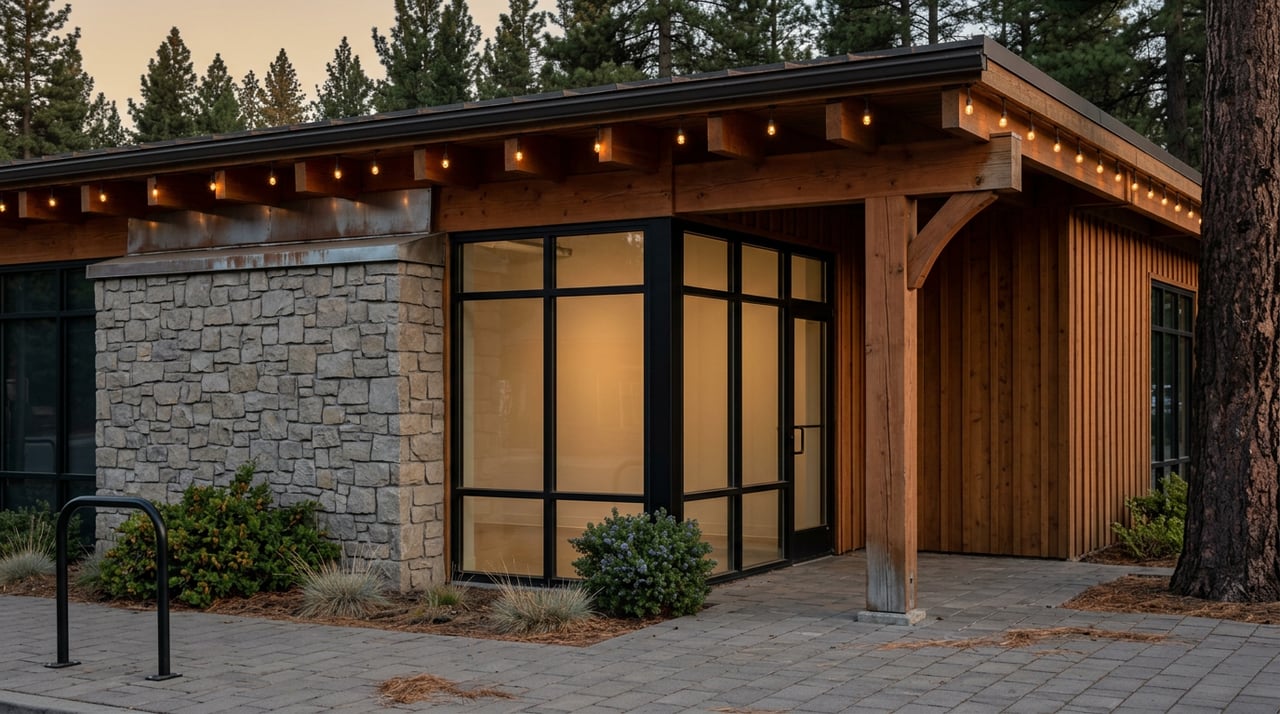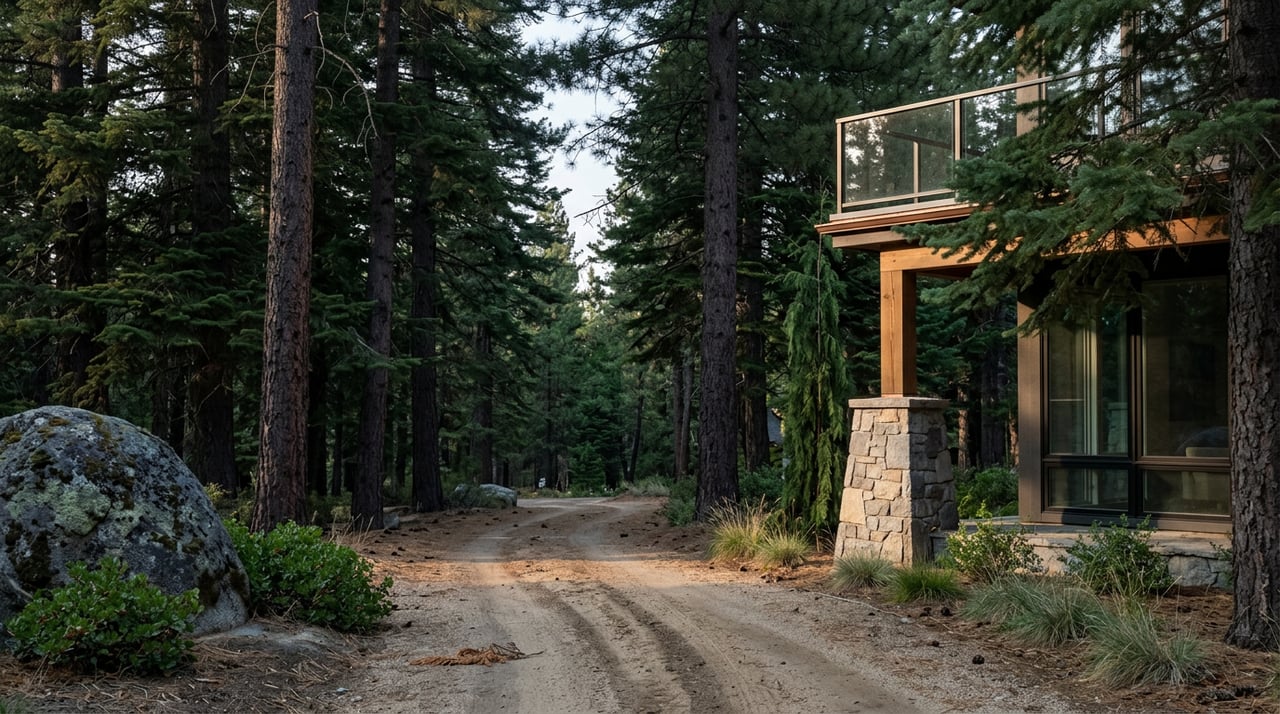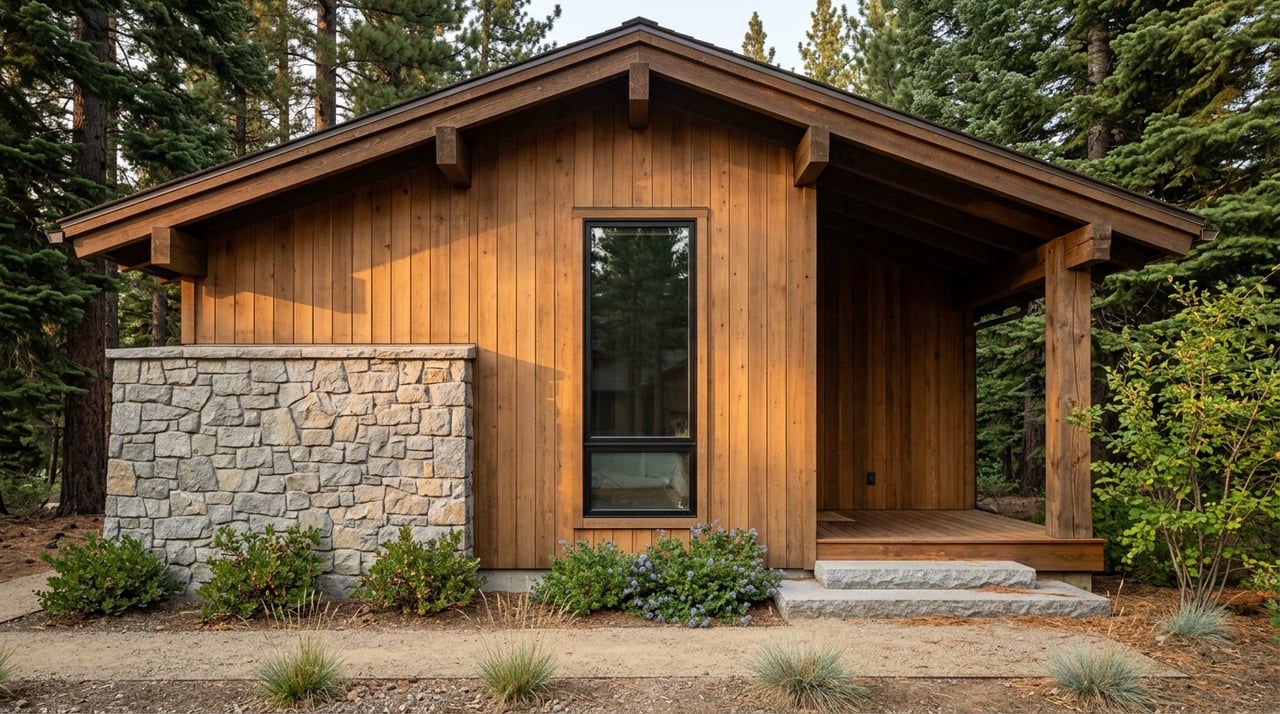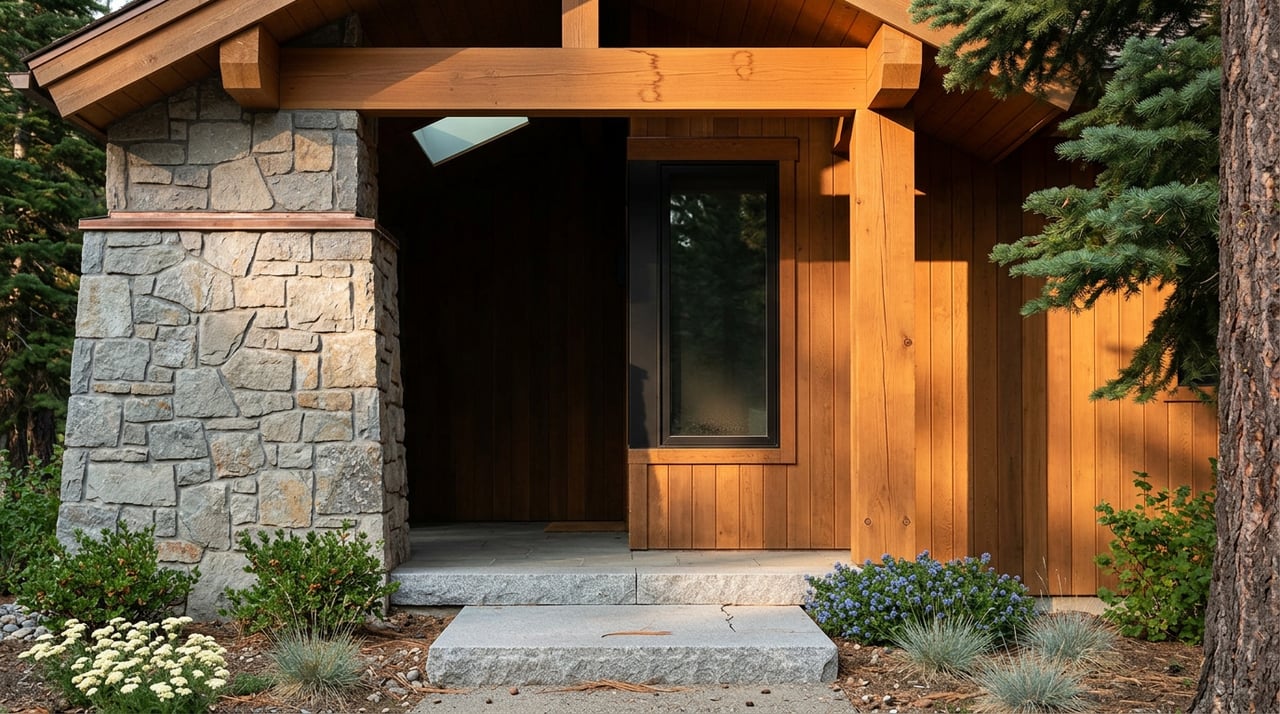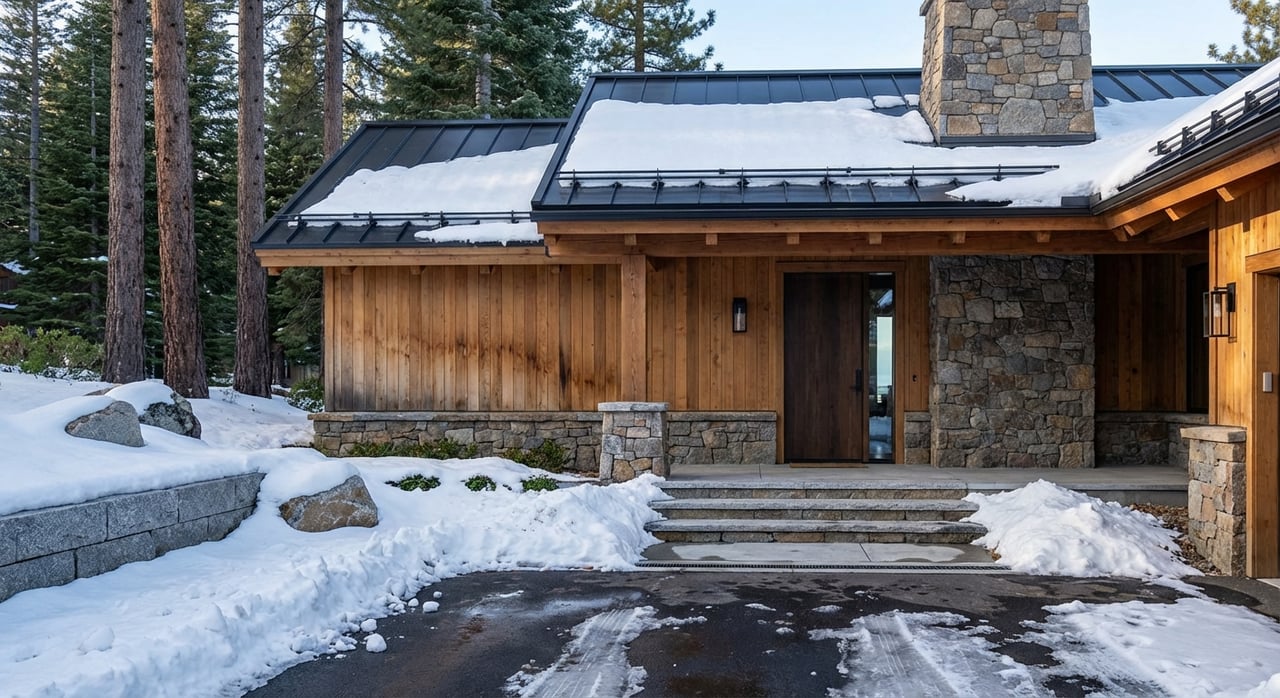
Thinking about selling your home in Truckee? Mountain markets play by their own rules. Snow, wildfire requirements, short‑term rental regulations, and a mixed buyer pool all shape how you price, prep, and time your listing. If you want a smooth sale and a strong price, you need a plan that fits Truckee’s seasons and standards. This guide breaks down what matters most and how to get market‑ready with confidence. Let’s dive in.
Market timing in Truckee
Spring vs ski‑season strategy
Across the country, spring often brings the best seller outcomes, with many markets peaking in late spring. Research supports that pattern, which you can use as a baseline when planning your list date. Independent seasonality studies show April through June, especially May, as a traditional high‑activity window.
Truckee adds a twist. A meaningful share of buyers here shop around ski season and holiday periods, drawn by proximity to Northstar, Palisades Tahoe, and Sugar Bowl. Listings with turnkey, low‑maintenance appeal and winter amenities can perform well when snow is on the ground. If your home’s strengths are ski access, gear storage, and winter‑ready systems, a late fall or early winter launch can be strategic. The tourism lens helps explain why that timing can work in Truckee’s resort environment, as regional insights highlight the town’s ski appeal.
Pricing by micro‑market
Public indices place typical Truckee home values in the upper six‑figures to low seven‑figures, but month‑to‑month shifts and neighborhood micro‑markets make local comps essential. Donner Lake, Tahoe Donner, and Northstar‑area corridors can move differently than in‑town neighborhoods. The right pricing strategy starts with a current, parcel‑specific CMA and a read on which recent sales are true apples‑to‑apples.
Rules that impact your sale
Short‑term rentals and transfer details
If your property has been a short‑term rental, the Town of Truckee requires registration, adherence to noise and parking rules, and Transient Occupancy Tax remittance. Buyers and their lenders often ask for proof of compliance. Disclose your STR history, permit status, and whether a registration or certificate can transfer. The town’s STR program overview outlines requirements and enforcement.
Fire hazard zones and required disclosures
Much of Truckee falls within CAL FIRE‑designated High or Very High Fire Hazard Severity Zones, which can influence insurance and building expectations. California law requires a Natural Hazard Disclosure that flags fire‑hazard designations when applicable. Review the local guidance on FHSZ mapping from Truckee Fire and prepare your statutory forms early using the state’s NHD framework.
Defensible space and home hardening
Defensible space is a safety must and a common buyer request. Truckee Fire offers inspections and resources, and some programs help with home‑hardening improvements. Many buyers will ask for recent defensible‑space reports or evidence of work completed. Explore local rebates and guidance through Truckee Fire’s hardening resources.
TRPA and land‑coverage rules
If your home is inside the Lake Tahoe Basin, exterior projects like decks, patios, or added land coverage may trigger TRPA review. Buyers will want clarity on what is permitted now and what could be allowed later. Before advertising outdoor features or expansion potential, check the TRPA FAQs for land‑coverage and BMP basics.
Utilities, sewer, septic, and wells
Confirm early whether your property is connected to public services or relies on a septic system and private well. Many areas are served by the Truckee Donner Public Utility District for water and electric, with sewer handled by local agencies. Start with service verification through TDPUD’s resources.
Septic transfer rules vary by county in California. Some counties require inspection or certification at sale. Truckee sellers should confirm Nevada County or Placer County steps directly with Environmental Health. This example ordinance from another county shows how transfer rules can work in practice: Santa Cruz County OWTS transfer. Use it as a guide to ask the right questions locally.
Mountain‑specific repairs buyers flag
Roofs, ice dams, and attic performance
Ice dams form when attic heat melts roof snow that then refreezes at the eaves. The result can be leaks and stained ceilings. Inspectors frequently call out inadequate insulation or ventilation as root causes. If you have made upgrades, document them. For context on prevention and why inspectors focus here, see InterNACHI’s guidance on ice dams and attic performance.
Deck ledgers and heavy snow loads
Freeze‑thaw cycles and deep snow stress exterior decks, especially ledger connections. Buyers and inspectors often ask for proof of proper flashing and anchorage. If you have recent receipts or a deck evaluation, bring those forward early and consider proactive repairs where needed.
Freeze risk, grading, and water intrusion
Exposed water lines, slab penetrations, and poorly graded areas are common sources of winter damage. Simple steps like insulating pipes, cleaning gutters, and verifying drainage can prevent inspection surprises. Address anything that hints at moisture intrusion before listing.
Chimneys and wood‑burning appliances
Wood stoves and fireplaces sell the mountain lifestyle, but they also draw scrutiny. Many buyers request a Level 2 chimney inspection during escrow. A recent sweep and report can ease concerns and reduce requests for credits.
Septic, wells, and water quality
If your property has a septic system or private well, gather service records and any recent test results. If your county requires transfer inspections, start early so you are not rushing during escrow. Buyers value clear documentation.
Radon testing
Radon levels vary by home and foundation type. Because Truckee sits in a mountain environment, many buyers will test. The EPA recommends testing the lowest lived‑in level and mitigating at or above 4.0 pCi/L. Learn the basics from the EPA’s radon guidance.
Features to showcase in Truckee
Winter access and outdoor living
Truckee buyers care about how a home lives in every season. Highlight plow‑friendly driveways, safe entry paths, and storage for skis and bikes. Show usable decks and hot tub setups, and call out proximity to ski areas with supporting context from local tourism insights. If you maintain a snowblowing service or have a generator, include it in your feature list.
Energy and safety upgrades buyers notice
Efficiency and resilience are in demand. Heat pumps, high‑efficiency water heaters, insulation, and solar with storage can lower operating costs and soothe insurance or grid‑reliability concerns. Federal residential energy credits changed in late 2025, which affects how recent upgrades may be treated for tax purposes. For timing context, see RSM’s summary of federal clean energy changes and keep your documentation handy, including Form 5695 references in the IRS guidance library. Local home‑hardening programs can also be a plus. Explore Truckee Fire’s resources and save all rebate approvals and receipts.
Photos that sell year‑round
In mountain markets, buyers want to see both seasons. Capture summer decks and landscaping, plus winter shots that prove safe access and clear snow management. Show where you park, how you enter, and how outdoor spaces function when it is snowy.
Pre‑listing checklist
Use this step‑by‑step plan to reduce surprises and keep leverage during negotiations.
- Get a current CMA and choose timing. Compare a broad spring launch with a winter listing aimed at ski‑season buyers. Use neighborhood comps to decide.
- Prepare disclosures early. Complete the Transfer Disclosure Statement and order your Natural Hazard Disclosure using the California NHD framework.
- Consider a pre‑listing inspection. Ask the inspector to focus on the roof, attic insulation and ventilation, deck ledger flashing, freeze risks, and fireplaces or wood stoves. Use findings to fix or price accordingly.
- Confirm utilities and systems. Verify water, power, and sewer connections through TDPUD resources and your local sanitation district. If you have septic or a well, confirm Nevada County or Placer County transfer rules with Environmental Health.
- Handle defensible space. Schedule an inspection and complete home‑hardening items where practical. Save reports and receipts using Truckee Fire’s guidance.
- Organize STR records if applicable. Gather your Town of Truckee registration, compliance history, and TOT remittance records. Start with the town’s STR overview.
- Stage for both seasons. Produce high‑quality summer and winter photos. In winter, clear driveways and walkways before every showing. Note any snow service contracts or equipment.
- Document upgrades. Keep invoices and manuals for roof work, HVAC, chimney service, insulation, plumbing freeze protection, and any energy installations, plus related tax paperwork with references to IRS forms.
- Plan showings with safety in mind. Provide traction mats at entries, salted steps, and well‑lit paths. Label gear storage, ski racks, and mudroom features so buyers can picture everyday use.
Next steps
Selling well in Truckee means aligning timing, presentation, and compliance with the realities of a high‑alpine market. When you combine strong seasonal strategy with clean documentation and mountain‑smart prep, you give buyers confidence and protect your bottom line.
If you want a focused plan for your property, reach out. Our boutique team pairs design‑forward presentation with rigorous contract and compliance guidance, so you can list with clarity and close with confidence. Start the conversation with Carina Cutler.
FAQs
When is the best time to sell a Truckee home?
- Spring is traditionally strong in many markets per independent research, but Truckee’s ski season also draws second‑home buyers, so choose spring for a broader pool or winter to target ski‑focused buyers.
What short‑term rental documents do Truckee sellers need?
- Provide your Town of Truckee STR registration, compliance history, and Transient Occupancy Tax records, and clarify whether any registration can transfer, using the town’s STR program overview as your reference.
How do fire‑hazard zones affect my sale in Truckee?
- Many Truckee properties sit in CAL FIRE‑mapped hazard zones, which must be disclosed on the Natural Hazard Disclosure and can affect insurance, so review local guidance from Truckee Fire and prepare NHD forms using state code references.
Do I need a septic inspection before closing?
- Requirements vary by county in California, so Truckee sellers should confirm Nevada County or Placer County Environmental Health rules early, noting that some jurisdictions require transfer inspections as shown in this example ordinance.
Which pre‑sale repairs matter most for mountain homes?
- Focus on roof and attic performance to prevent ice dams, deck ledger flashing and anchorage, freeze protection for plumbing, chimney cleaning and inspection, and clear drainage around the home.
How should I present energy upgrades to buyers?
- Share invoices, manuals, and any tax documents, since federal credit rules changed in late 2025 per RSM’s summary, and highlight local safety upgrades using Truckee Fire’s home‑hardening guidance.
Should I test for radon before listing in Truckee?
- Yes, pre‑testing can reduce friction, and buyers often test anyway; follow the EPA’s guidance and share results upfront if available.