Is your Tahoe dream wrapped in knotty-pine charm or glass-and-steel views? On the West Shore in 96141, you can choose a cozy Old Tahoe cabin or a sleek mountain-modern home. Each path offers a great lifestyle, but they come with different costs, permits, and maintenance needs. In this guide, you’ll learn the tradeoffs, the must-check agencies, and a clear checklist to buy with confidence. Let’s dive in.
West Shore buying context
In 96141 (Homewood and nearby West Shore pockets of unincorporated Placer County), many homes are second residences. That means you’ll see strong vacation demand and a market that values lake access, views, and recreation. When you compare properties, start by mapping the local agencies that influence what you can build or improve.
- Tahoe Regional Planning Agency (TRPA) oversees environmental review, land coverage, and shorezone rules. Many remodels and additions need TRPA review in addition to a county permit. See the process overview on the TRPA permitting page.
- Placer County runs building-permit intake for the Tahoe Basin and coordinates with TRPA. Many routine exterior projects fall under “qualified exempt” pathways. Review Placer’s TRPA Qualified Exempt checklist.
- Tahoe City Public Utility District (TCPUD) manages water and sewer. Sewer capacity can limit bedroom count or ADU plans. Start with TCPUD’s public info resources in the district report hub.
- North Tahoe Fire Protection District (NTFPD) handles defensible-space rules, inspections, and chipping programs. Their guidance also ties into AB 38 requirements during escrow. See the defensible-space program.
- Liberty Utilities provides power on the California side. If you plan heat pumps or EV charging, confirm panel and transformer capacity early. View the Liberty service area.
Cabin style: what you get
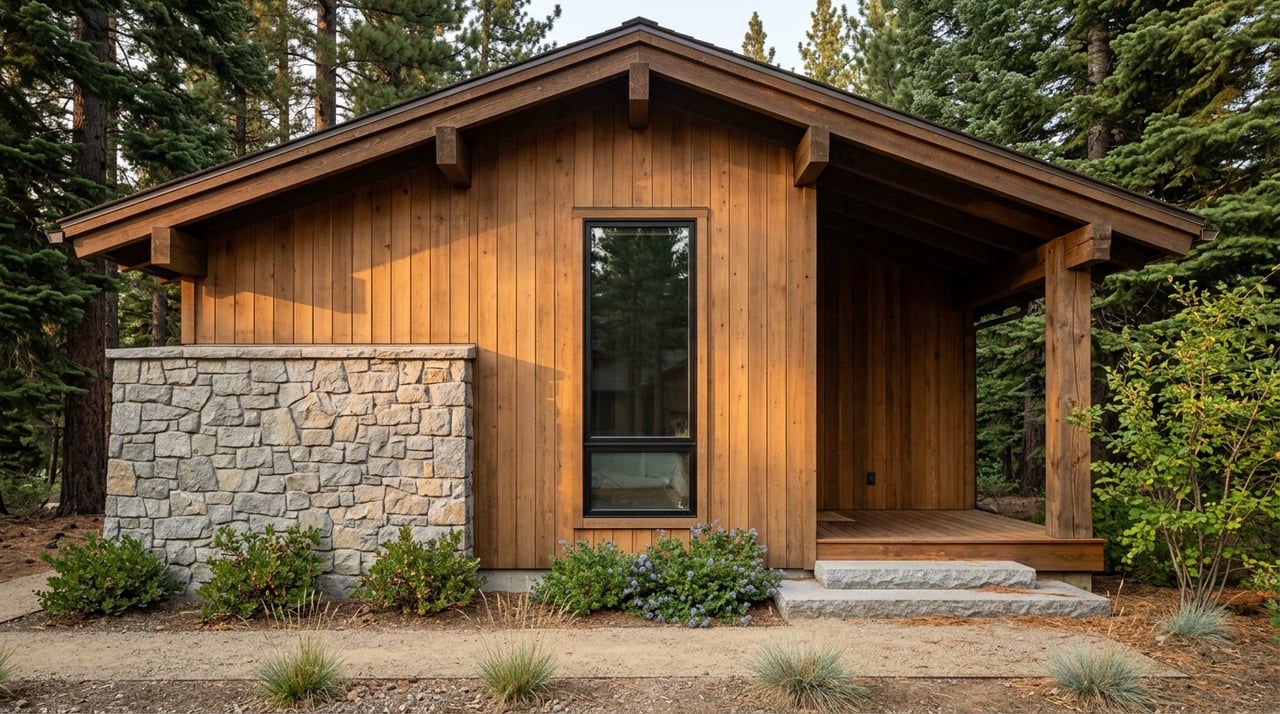
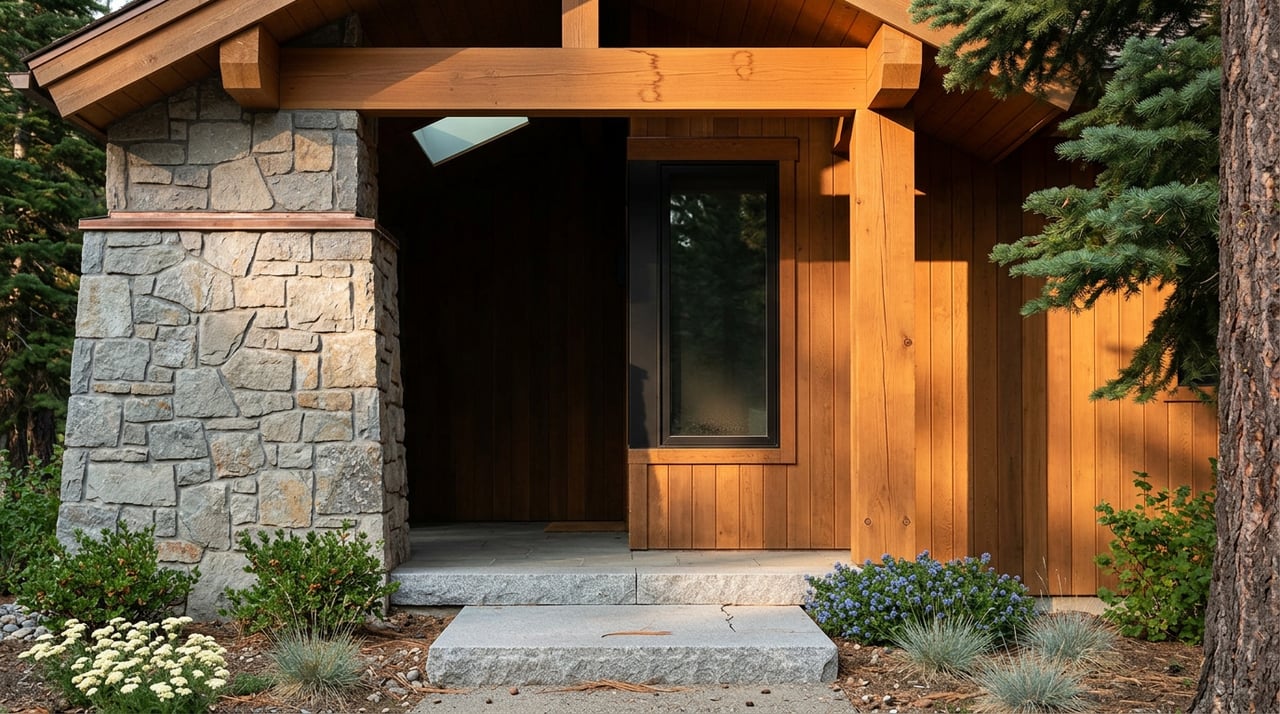
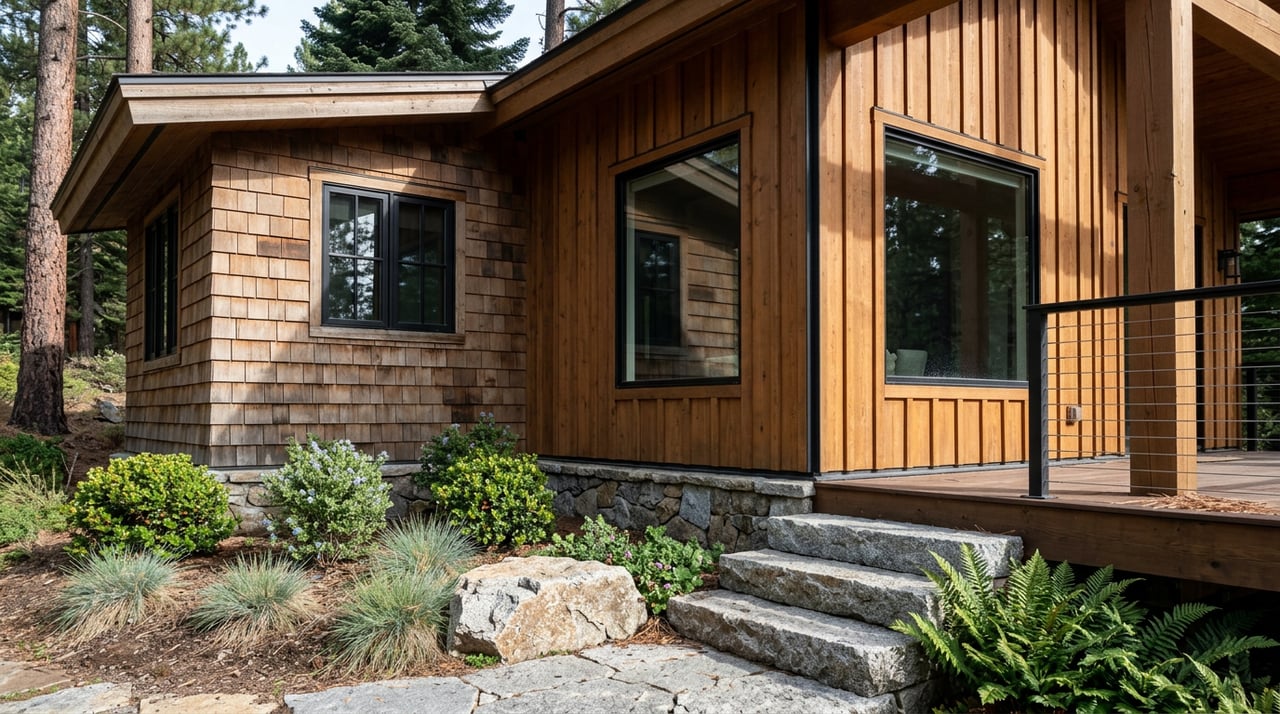
Classic West Shore cabins often feature steep gables, cedar siding, and intimate rooms that feel great in winter. Lots tend to be forested, so privacy comes naturally and massing is low-profile. If you love “Old Tahoe” character and a smaller footprint, this style may fit your vision.
Expect older systems in many mid-century cabins. Common items include older windows, limited insulation, dated electrical panels, and wood stoves or propane furnaces. These homes can run warmer and cozier, but they may cost more to heat and will likely need upgrades over time.
On the permit side, ask about TRPA land coverage and the building’s age. Structures over 50 years old may trigger a historic-resource review, which can change your path for additions or demolition. You can review TRPA’s Historic Resource Determination application to understand the process.
Mountain-modern: what you get
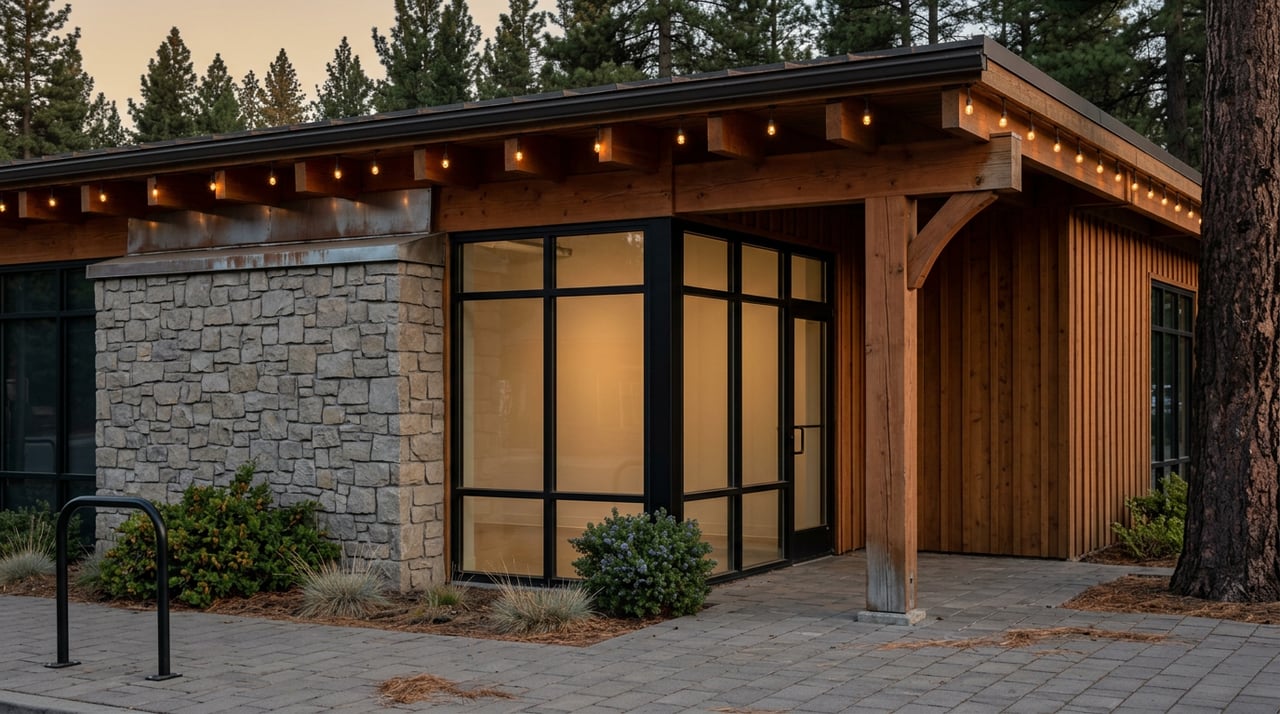
Newer mountain-modern homes lean into clean lines, window walls, and open plans that pull in views and daylight. You’ll usually see engineered glazing, better insulation, and contemporary mechanicals that align with California’s energy code. These homes are built for year-round comfort and easy entertaining.
The tradeoff is cost and complexity. Large glass, engineered roof detailing, and high-performance systems require careful maintenance and skilled technicians. Flat or low-slope roofs can work well here, but they need proper snow-load engineering, snow-guard strategies, and watchful upkeep.
Another plus is code-level performance. Newer builds are designed to meet modern energy standards. California’s Title 24 sets baseline efficiency for envelope, HVAC, and more. You can learn about the current standards on the Energy Commission’s Title 24 page.
Operating costs and energy choices
If you are comparing monthly costs, look at windows, insulation, HVAC type, and panel capacity. In older cabins, heat often comes from wood or propane, and single-pane or older double-pane windows are common. Plan for staged upgrades like air sealing, added insulation, and a heat-pump water heater or HVAC system.
Modern homes typically have higher R-value assemblies and efficient mechanicals out of the gate. That helps reduce winter bills and supports electrification. If you plan to add a heat pump or EV charger to any home, talk to the utility early so you understand service upgrades and make-ready costs in the Liberty service area.
Finally, incentives can help. Federal energy credits may reduce the cost of certain improvements like heat pumps and windows. Review the IRS guidance for the Energy Efficient Home Improvement Credit and confirm current-year rules with your tax professional.
Shoreline and lake access
Lakefront privileges are not automatic. TRPA’s Shoreline Plan manages piers, buoys, and moorings, with parcel-specific entitlements and limited allocations. If a private pier or buoy matters to you, verify the property’s status before you write an offer. Explore the current framework in TRPA’s Shoreline program.
If the listing advertises a mooring, ask for written proof of authorization and registration, plus clarity on transferability. Expect additional review for any shoreline work, which can include lottery or allocation processes in some cases.
Renovations and permits that shape scope
Almost any meaningful exterior change in the Basin should be screened through TRPA and Placer County. TRPA’s permitting tiers range from Exempt and Qualified Exempt to Minor, Standard, and Public Hearing projects. The right tier depends on your scope and whether you add or move land coverage like driveways, patios, or decks. Start with the TRPA permitting process and coordinate closely with your contractor and designer.
Many routine exterior remodels and maintenance items fall under Placer’s qualified-exempt path, which often means streamlined paperwork but still requires submittals. Review the county’s checklist to understand what documentation you will need.
Budget for Tahoe-specific timing and rules. Grading work is typically limited to a defined season in the Basin, so earthwork and foundations need schedule margins. Tree removal and view trimming are regulated, while defensible space is required in high fire hazard zones. NTFPD manages inspections and chipping and supports AB 38 compliance. See their defensible-space guidance.
Sewer capacity can be a hard stop for add-ons. TCPUD manages sewer units for the West Shore. Before you plan more bedrooms or an ADU, confirm sewer service and any required units through the TCPUD information hub.
Short-term rental and resale signals
Vacation demand on the West Shore is strong, thanks to lake access and winter sports. If you intend to rent, remember that local rules, fire inspections, and AB 38 requirements are part of the compliance path, and North Tahoe Fire’s process is built into it. Factor those timelines and fees into your plan.
For pricing context, market snapshots for 96141 show median prices and inventory above statewide averages, reflecting the area’s amenity value. Always check the latest numbers for timing-sensitive decisions. You can view current trends on the 96141 market overview.
In general, a mountain-modern home trades a higher initial price for lower ongoing maintenance and modern performance. A classic cabin may offer a lower entry price and nostalgic feel, with planned upgrades over time to improve comfort and efficiency.
Quick case studies to clarify tradeoffs
- Renovated West Shore cabin: A 1960s two-bedroom on a forested lot kept its steep-gable silhouette and cedar siding. The owners added dense-pack insulation, replaced older windows, and installed a cold-climate heat pump. Exterior maintenance fell under Placer’s qualified-exempt path, with TRPA BMPs included to manage runoff. The result kept the Old Tahoe vibe and cut winter bills.
- New mountain-modern build: A recent four-bedroom near Homewood was designed around views with large-format glazing. The team engineered a low-slope roof for local snow loads, added snow guards, and specified high-performance windows and heat-pump HVAC that met Title 24. The home achieved bright, open living and year-round comfort with a more complex mechanical setup and a premium build cost.
On-site checklist for tours
Use this shortlist to gather facts fast when you tour a West Shore listing:
- APN and TRPA parcel data: Ask for a parcel printout with land capability, existing coverage, and any shorezone or mooring notes. Start with the TRPA permitting resources.
- Year built and historic status: If over 50 years old, request TRPA’s Historic Resource Determination record. See the application form for context.
- Defensible space: Request the latest inspection report or scheduling info from North Tahoe Fire’s defensible-space program.
- Sewer and water: Confirm service and capacity through TCPUD. Begin with the district’s info hub.
- Roof and structure: Ask for recent roof and snow-load engineering documentation, especially for low-slope roofs and heavy glazing.
- Shoreline rights: For lakefronts, verify mooring or pier authorization and transfer details under TRPA’s Shoreline program.
- Electrical capacity: If you plan heat pumps or EV charging, confirm panel size and discuss make-ready work with Liberty using their service area resources.
Ready to choose your West Shore fit?
If you want timeless character and forested privacy, a cabin can be a smart buy with planned upgrades. If you want low-maintenance performance and big-window views, a mountain-modern home may be worth the premium. Either way, you will make the best decision by checking TRPA and Placer pathways, confirming TCPUD sewer capacity, planning for defensible space, and understanding energy and snow-load needs. If you would like design-savvy guidance paired with transaction rigor, connect with Carina Cutler to talk through properties that match your goals in 96141.
FAQs
What permits do I need to remodel a 96141 home?
- Most exterior work in the Tahoe Basin needs TRPA screening plus a Placer County permit, with some items qualifying for the county’s TRPA qualified-exempt path.
How do TRPA shoreline rules affect docks and buoys?
- TRPA regulates piers, buoys, and moorings with parcel-specific allocations, so verify authorization and transferability through the Shoreline program before assuming lake infrastructure is included.
Do older West Shore cabins need energy upgrades?
- Many mid-century cabins have older windows, limited insulation, and dated mechanicals, so plan staged improvements like air sealing, better glazing, and heat-pump systems.
What is AB 38 and defensible space in this area?
- In high fire hazard zones, you must meet defensible-space rules and related inspection steps, and North Tahoe Fire’s program guides requirements that can affect escrow timing.
Can I add bedrooms or an ADU on the West Shore?
- It depends on TRPA land coverage and TCPUD sewer capacity, so confirm both early because sewer units and coverage limits can cap your plan.
When is grading season in the Tahoe Basin?
- Grading work is typically limited to a defined warm-weather season to protect water quality, so build schedule buffers for any earthwork or foundation scope.