If you are buying a waterfront home in Carnelian Bay, the pier or buoy can feel like the whole point of the purchase. But on Lake Tahoe, water access is not just about what you can see from shore. You also need to understand the permits, legal rights, and ongoing rules that come with that shoreline feature. This guide will help you look past the listing photos and focus on what really matters before you buy. Let’s dive in.
Why pier and buoy rights matter
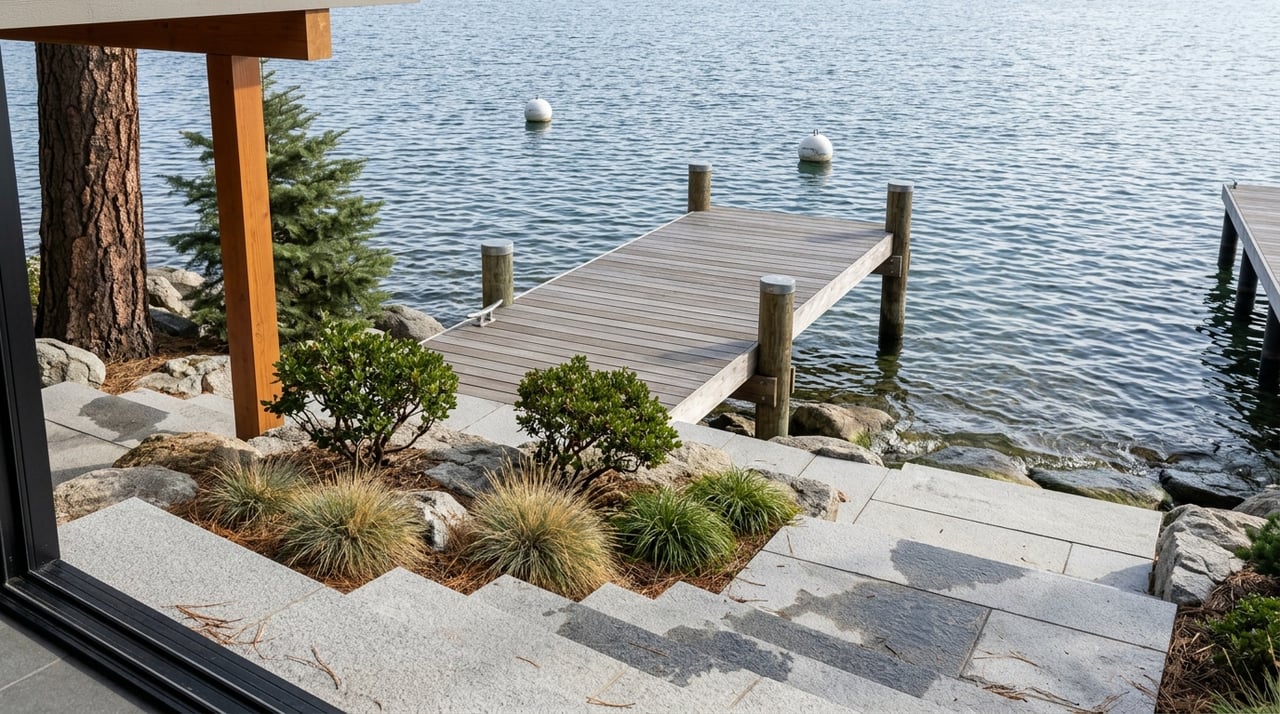
In Carnelian Bay, a pier, buoy, or floating dock is not simply a physical amenity. Under Placer County’s Tahoe Basin rules, these shorezone accessory structures are allowed only when they are tied to an existing allowed use on the same or adjoining littoral parcel. In plain terms, the feature needs to match the legal record, not just the shoreline you see on site. You can review that framework in Placer County’s Tahoe Basin Area Plan Implementing Regulations.
That distinction matters because lake access is not the same as lakefront ownership. According to TRPA, only shoreline properties that adjoin the lake are eligible for new moorings, and local shorezone rules tie those structures to the proper littoral parcel. If a home is marketed as having shared or nearby access, you will want to confirm exactly what legal right comes with the property, if any.
Understand Carnelian Bay shoreline rules
Carnelian Bay falls within a tightly regulated part of the Tahoe Basin. That means shoreline improvements are shaped by both local county rules and TRPA regulations. A buyer is not only evaluating the house, but also whether the waterfront feature is legally recognized and transferable.
TRPA’s Shoreline Plan replaced the old moratorium with a capped allocation system for new shorezone structures. For private piers, TRPA can permit up to 12 new private piers every two years, and multiple-parcel projects are prioritized. For moorings, the plan allows up to 2,116 additional moorings in total, including 1,486 private moorings, with only 15 percent of each pool released annually until the cap is reached, according to TRPA’s shoreline program overview.
For individual residential ownership, the limits are important. Single-family residential parcels are limited to two moorings total, and existing buoys, boat lifts, and slips count toward that maximum. That means even a property with existing watercraft features may have little or no room for expansion later.
Existing structures still need proof
One of the biggest misunderstandings in Tahoe waterfront buying is assuming an existing pier or buoy must be legal because it is already there. That is not always true. TRPA requires annual registration for all existing moorings with access to Lake Tahoe, but it also states clearly that registration is not a permit and not proof of legal existence.
For an existing buoy to qualify as legally existing, TRPA says there should be a prior TRPA permit, state or federal authorization, or evidence that the buoy existed before 1972. If TRPA later determines a registered mooring is not legally existing, the owner can face compliance action, including removal. You can review current registration guidance on the Lake Tahoe mooring registration portal.
On the California side, the State Lands Commission also has a role. Its materials note that buoys on state lands require a lease, and unauthorized buoys are being removed because they may create scenic and navigation conflicts. For you as a buyer, that means a buoy should never be treated as valid based on appearance alone.
Verify what right comes with the property
When you look at a Carnelian Bay pier or buoy property, one of the first questions should be simple: Who actually owns or controls the shoreline right? That answer can affect use, maintenance, fees, and future resale.
If the feature is shared, extra diligence is essential. TRPA notes that HOA buoy fields are capped by residential-unit count or buoy-field capacity, whichever is less, and no additional new buoy fields are allowed. For piers, TRPA prioritizes multiple-parcel proposals over single-parcel projects, which can make shared arrangements more common in some settings.
Ask these ownership questions early
Before writing an offer, ask for clear documentation on:
- Whether the pier or buoy is legally existing or only registered
- Whether there is a current TRPA permit
- Whether there is a current state lease, if the structure is on state lands
- Whether the right belongs to the parcel, an HOA, or another party
- Whether annual fees are current
- Whether there have been any alterations, enforcement notices, or missing tags
These questions can save you from discovering after closing that the shoreline feature is more limited than expected.
Inspect the legal file and the hardware
With a pier or buoy property, due diligence is about more than a home inspection. You also need to inspect the paper trail and the physical equipment. Both matter.
Start with the legal side. Confirm the permit chain, verify TRPA buoy identification tags, and ask whether there is any related state lease or federal authorization. If a listing includes a lift or slip, confirm whether it had the required preconstruction inspection.
Then look closely at the condition of the mooring hardware. TRPA has been removing illegal concrete blocks, chains, and buoys from the lake, so anchor blocks, chains, and buoy attachment points deserve careful review. A shoreline feature that looks usable today may still create compliance or replacement costs later.
Budget for ongoing costs
A waterfront feature can add convenience and value, but it also brings recurring expenses. In Tahoe, some of those costs continue regardless of a change in ownership.
TRPA’s current mooring information lists a $43 annual registration fee plus a $47 scenic mitigation fee per buoy, and those fees are nonrefundable and remain with the property when ownership changes. The State Lands Commission benchmark page lists $273 per buoy as the Lake Tahoe buoy rent benchmark. These costs may seem manageable on their own, but they should still be part of your full ownership budget.
If a property includes shared access, there may also be HOA or maintenance obligations tied to the structure. That is another reason to review governing documents and current account status before closing.
Know the boating rules too
The structure itself is only part of the ownership experience. Lake-use rules also shape how convenient that pier or buoy will feel once you own it.
TRPA enforces a 600-foot no-wake zone and a 200-foot buffer around shoreline structures. Those rules affect how you approach the shore and use the area around your dock or buoy. If easy in-and-out boating is part of your plan, these operating rules are worth understanding up front through TRPA’s shoreline program guidance.
TRPA’s 2025 boat-inspection update also added mandatory decontamination for visiting motorized watercraft entering Lake Tahoe. Boats last launched in Tahoe that carry a Tahoe security seal can relaunch without reinspection. For second-home owners or buyers bringing in a boat from outside the basin, that can affect time, planning, and convenience.
How permits affect value and resale
In Carnelian Bay, scarcity and documentation often go hand in hand. TRPA’s capped allocation system limits future additions, which makes existing shoreline rights meaningful. But from a resale standpoint, what matters most is not just having a buoy or pier. It is having a clear, documented file that supports continued legal use.
A property with organized permits, tags, leases, and fee history can create less uncertainty for the next buyer. TRPA’s current approach to shoreline allocations and compliance helps explain why clean paperwork can matter so much in a future sale, as shown in its pier lottery and shoreline updates.
That is why many buyers in this niche are really purchasing two things at once: the home itself and a regulated shoreline right. In Carnelian Bay, that distinction is central to both present enjoyment and long-term value.
Insurance deserves separate review
Insurance is another item that should stand on its own checklist. According to the National Association of Realtors’ homeowners insurance guide, homeowners insurance generally protects the dwelling, personal property, and liability, while separate flood or earthquake coverage or endorsements may be needed in some situations.
For a waterfront or second-home purchase, it is smart to ask whether the current coverage, deductible, and liability limits fit how you plan to use the property. If boating, guest use, or seasonal occupancy will be part of ownership, you will want to evaluate that with your insurance professional early in escrow.
A smart buying approach in Carnelian Bay
Buying a pier or buoy property in Carnelian Bay can be incredibly rewarding, but it calls for a more careful process than a standard home purchase. You are evaluating title, permits, agency rules, ongoing fees, and physical condition all at once. The upside is that good diligence can help you buy with far more confidence.
That is where experienced local guidance matters. A purchase like this benefits from close review of shoreline records, ownership rights, and transaction details before you remove contingencies. If you are considering a waterfront purchase in Carnelian Bay, connecting with a team that understands both the lifestyle side and the technical side can make the process much smoother.
If you want thoughtful guidance on buying lakefront and shoreline properties in North Lake Tahoe, connect with Carina Cutler for a personalized consultation.
FAQs
What should you verify before buying a buoy property in Carnelian Bay?
- You should verify whether the buoy is legally existing, whether there is a current TRPA permit or registration record, whether a state lease is required and current, and whether fees or compliance issues carry with the property.
Can a non-lakefront property get a new buoy in Carnelian Bay?
- According to TRPA, only shoreline properties that adjoin the lake are eligible for new moorings, so lake access alone is not the same as owning a littoral parcel with shoreline rights.
Does TRPA registration prove a buoy is legal in Lake Tahoe?
- No. TRPA states that annual mooring registration is not a permit and is not proof of legal existence.
How many moorings can a single-family parcel have in Carnelian Bay?
- Under TRPA’s current shoreline framework, single-family residential parcels are limited to two moorings total, and existing buoys, boat lifts, and slips count toward that maximum.
What ongoing fees can come with a Carnelian Bay buoy property?
- Current public information lists a TRPA annual registration fee, a scenic mitigation fee per buoy, and a State Lands benchmark buoy rent, along with any HOA or shared-maintenance costs that may apply.
Why does paperwork matter when buying a pier property in Carnelian Bay?
- Because the value of a shoreline feature depends not only on the structure itself, but also on the permit chain, legal status, and any lease or agency approvals that support continued use after closing.