Are you dreaming about updating a Carnelian Bay cabin without losing the character that made you fall for it in the first place? That tension is real in Tahoe, where older homes often need better function, better durability, and a smarter response to snow, wildfire, and local review rules. If you are planning a remodel in 96140, this guide will help you think through layout, materials, site work, and approvals so your project feels intentional from day one. Let’s dive in.
Why Carnelian Bay remodels need extra planning
A cabin remodel in Carnelian Bay is rarely just about finishes. In this part of Placer County’s Tahoe Basin, properties may involve review considerations tied to Placer County, TRPA, North Tahoe Fire Protection District, and North Tahoe Public Utility District. That means remodel choices are often parcel-specific rather than something you can copy from a project in another mountain town.
Placer County also notes that Tahoe Basin rules can include subdivision-specific standards, including regulations for the Carnelian Bay subdivision. In practice, that means your lot, your cabin’s age, and the kind of work you want to do all shape the path forward. The earlier you understand those layers, the easier it is to avoid redesigns later.
Snow is another major reason thoughtful planning matters here. Nearby Tahoe City climate normals show about 179 inches of annual snowfall, with much of it concentrated in winter. For older cabins, that makes roof shedding, drainage, and moisture management core design issues, not afterthoughts.
Start with how the cabin lives
Many older Carnelian Bay cabins are charming, but they were not always designed for how you live today. Tight entries, limited storage, and chopped-up common areas can make a small footprint feel even smaller. In many cases, the most valuable remodel is not adding a lot more square footage, but making the existing space work better.
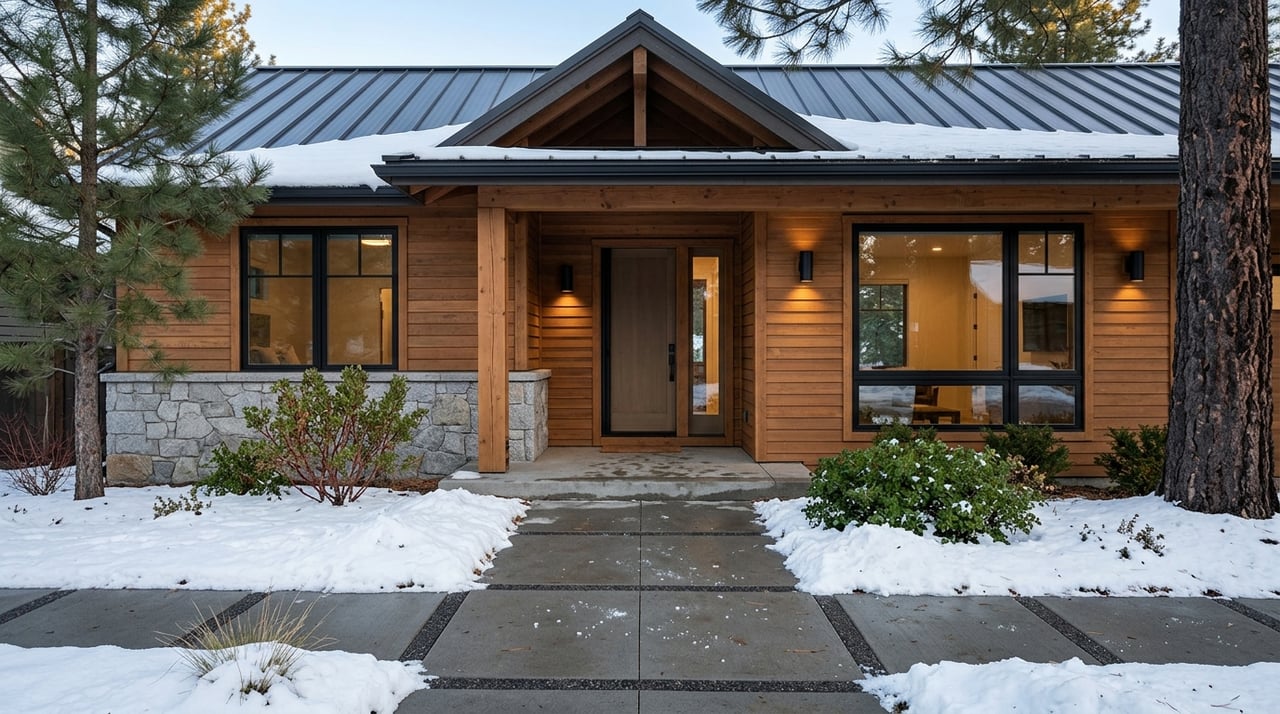
A thoughtful plan often starts at the entry. In a four-season setting, even a modest mudroom zone can improve daily life by giving you a place for boots, coats, snow gear, and lake-day essentials. Better storage can also reduce visual clutter and help the cabin feel calmer and more open.
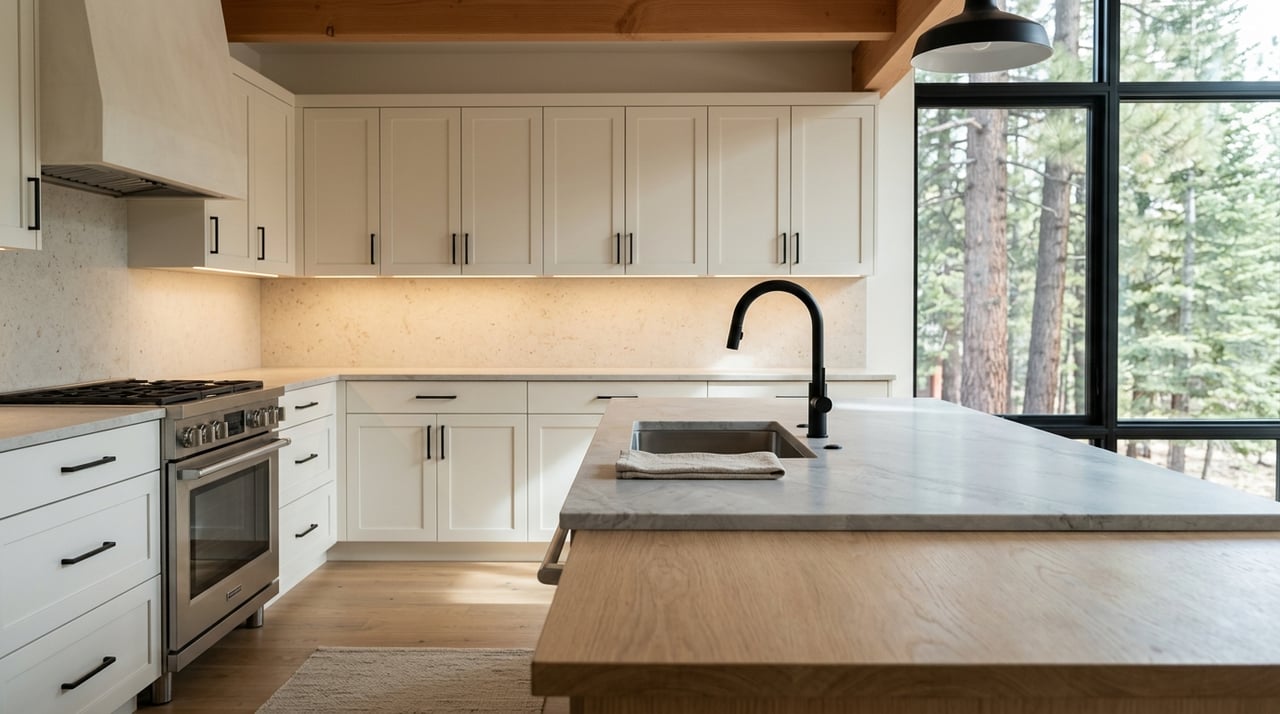
Kitchen, living, and dining areas are another common focus. Improving circulation between these spaces can make gatherings easier and help the home feel more connected without erasing its cabin identity. If the layout allows, refining window or door placement can also strengthen the main view axis and make the home feel more tied to its setting.
Balance cabin character with modern function
The best cabin remodels in Carnelian Bay usually feel edited, not overdone. You want the home to function better, but you also want it to still feel like it belongs in Tahoe. That balance matters aesthetically, and it can matter in review as well.
TRPA scenic rules emphasize preserving and enhancing viewsheds and view corridors, especially along scenic highway corridors, while also expecting projects to blend with the natural environment. For you, that often means choosing changes that simplify and clarify the house rather than making it feel louder or more visually busy. A remodel can absolutely feel fresh while still respecting the setting.
This is one reason design discipline matters so much in Tahoe. When every move has to work for daily use, weather, and visual context, thoughtful decisions tend to outperform trend-driven ones. A cleaner plan and a quieter exterior often age better than oversized gestures.
Choose materials for snow, moisture, and wildfire
In Carnelian Bay, material selections do more than shape the look of your cabin. They also affect durability, maintenance, safety, and sometimes even the approval process. Tahoe homes have to stand up to snow load, freeze-thaw cycles, moisture, and wildfire exposure.
CAL FIRE recommends fire-resistant building materials and ember-resistant vents. IBHS also identifies roofs, vents, decks, and the 0 to 5 foot zone around the home as important wildfire weak points. If you are updating siding, roofing, decks, or vents, it makes sense to treat those as performance decisions first and style decisions second.
For many cabin owners, this leads to a more durable exterior envelope. The goal is not just a prettier cabin, but a better-protected one. When you approach the remodel this way, your budget often goes further because you are investing in long-term resilience rather than surface-only upgrades.
For older homes, interior work can bring another consideration. EPA warns that homes built before 1978 may contain lead-based paint, and renovation that disturbs painted surfaces can create lead dust. If your remodel includes windows, trim, stairs, or interior finish updates, lead-safe practices should be part of the conversation early.
Keep the exterior visually appropriate
Exterior updates in the Tahoe Basin are not only about taste. In some settings, they may also affect scenic-quality review. TRPA notes that painting, re-siding, and re-roofing can be reviewed when they change how a structure reads visually, especially in shoreland-visible areas.
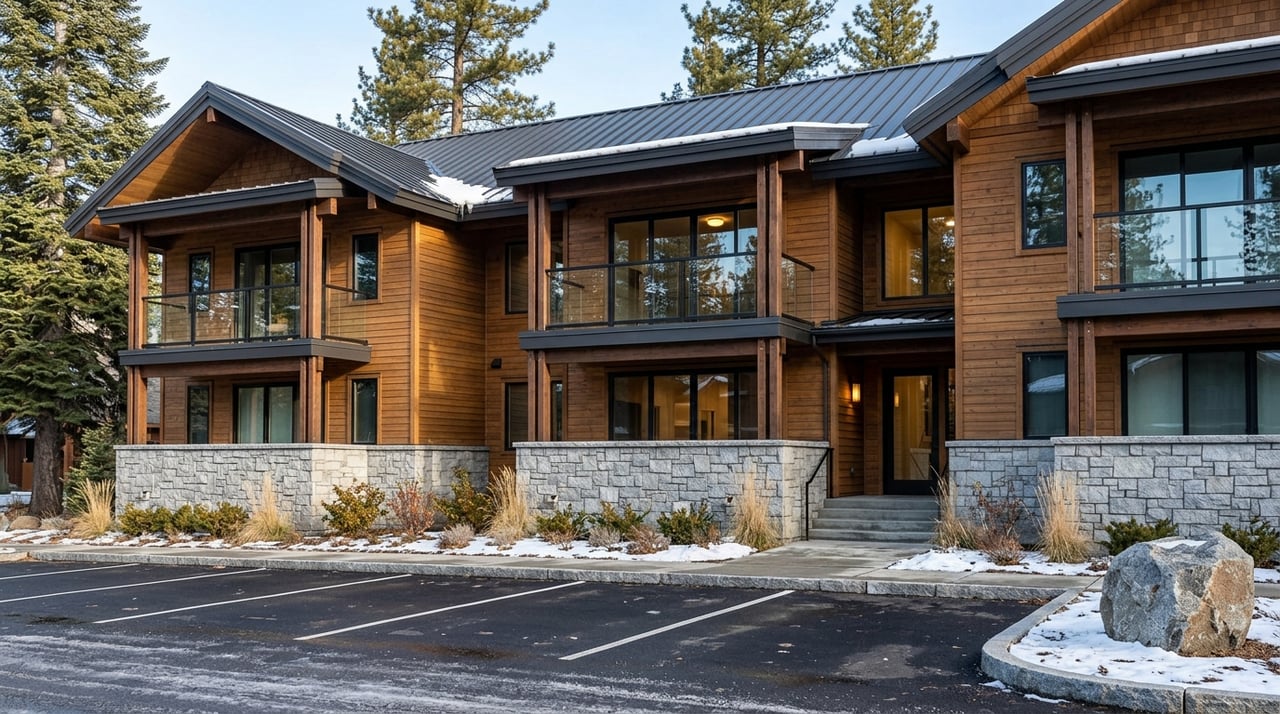
That is one reason subdued earthtone colors and non-glare roof materials are often a smart fit. These choices tend to align with the natural setting and may support a smoother approval path where scenic concerns apply. A matte or low-sheen finish can matter just as much as the base color.
If you are trying to decide between a dramatic new exterior statement and a quieter one, Carnelian Bay often rewards restraint. Natural-looking materials, reduced glare, and a grounded palette can help your cabin feel more timeless. They can also help it sit more comfortably within the surrounding landscape.
Plan outdoor living and site work early
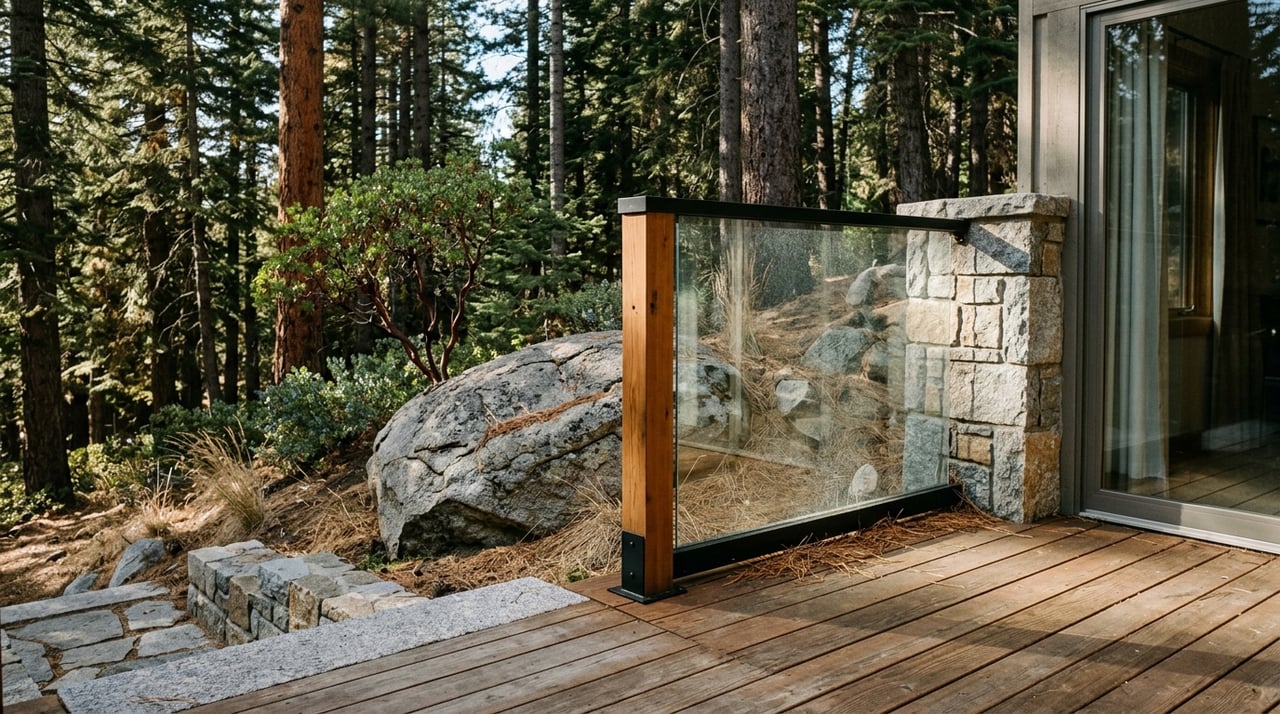
Outdoor improvements can add a lot to how a cabin lives, but in Carnelian Bay they deserve early planning. Decks, terraces, retaining walls, and landscape changes are not always simple finish-stage upgrades. They can intersect with view considerations, land coverage questions, and seasonal construction limits.
TRPA says viewsheds and view corridors along scenic highway corridors must be maintained and enhanced, and all federal and state highways in the Tahoe region are designated scenic highways. That means exterior work should be planned with a clear understanding of how the home is seen from surrounding public vantage points. Good outdoor design in Tahoe is as much about what you preserve as what you add.
Timing also matters. Placer County says grading and digging in the Tahoe Basin is confined to May 1 through October 15 to protect lake clarity. If your remodel includes site work, you do not want to push those decisions to the end of the design process and then discover the construction window is tighter than expected.
Understand what may trigger review
One of the biggest remodel mistakes is assuming all updates are treated the same. In the Tahoe Basin, some interior remodels, ordinary maintenance, and non-structural repairs may be exempt under Placer County and TRPA processes. But exterior structural modifications, remodels, additions, and any increase or relocation of land coverage can trigger TRPA review.
Even roof work can be more nuanced than many owners expect. Placer County’s qualified-exempt checklist lists metal roof replacement as qualified-exempt activity rather than a pure exemption. That is a good reminder that it is worth checking the category of work carefully before you build your schedule around assumptions.
Fire-safety review should also be part of your planning timeline. North Tahoe Fire Protection District says defensible-space inspections are part of construction and building-permit review. In other words, fire considerations are not separate from the remodel process here. They are part of it.
Older cabins may need extra due diligence
A lot of Carnelian Bay’s appeal comes from cabins with history and personality. But older homes can require more front-end investigation before you commit to a renovation plan. Age can affect not only construction strategy, but also the review path.
Placer County’s rebuild-versus-remodel policy can become important for older cabins, depending on the scope of work. TRPA also has a historic-resource process for buildings or structures that are 50 years old or otherwise designated as historic resources. If your cabin falls into that range, it is wise to understand those implications before finalizing the design direction.
This does not mean you should avoid remodeling an older cabin. It simply means the best outcomes usually come from realistic planning, clear priorities, and early coordination. In a place like Carnelian Bay, that extra diligence often protects both your timeline and your design intent.
A smart remodel strategy for Carnelian Bay
If you want a practical way to think about your project, focus on three goals at once: preserve character, improve function, and respect Tahoe constraints. That framework helps you make better decisions when trade-offs show up. It also keeps the remodel grounded in what adds real value.
A strong remodel plan often includes:
- Better entry and mudroom function
- More storage for winter and lake gear
- Improved kitchen, living, and dining flow
- Window and door changes that strengthen key views
- Exterior materials selected for fire and weather performance
- A subdued palette and low-glare finishes where visibility matters
- Early review of site work, land coverage, and seasonal timing
- Upfront evaluation of cabin age and potential historic review
When these pieces work together, an older cabin can feel dramatically better without losing its soul. That is often the sweet spot in Carnelian Bay: a home that feels more open, more durable, and more aligned with the realities of Tahoe living.
If you are weighing a remodel before buying, preparing to sell, or trying to understand what improvements may matter most for long-term value, local guidance can make a real difference. Carina Cutler brings architectural training and deep North Lake Tahoe market insight to help you evaluate cabin potential with clarity and confidence.
FAQs
What makes a cabin remodel in Carnelian Bay different from other mountain towns?
- Carnelian Bay remodels often involve parcel-specific considerations tied to Placer County, TRPA, local fire review, utility district context, snowfall, and in some cases subdivision-specific standards.
What layout changes usually help an older Carnelian Bay cabin most?
- The most helpful upgrades are often better entry or mudroom space, more storage, improved kitchen-living-dining flow, and window or door placement that better connects the cabin to its main views.
What exterior materials matter most for a Carnelian Bay cabin remodel?
- Fire-resistant materials, ember-resistant vents, durable roofing, resilient deck details, and low-glare exterior finishes are especially important because of wildfire exposure, snow, moisture, and scenic review considerations.
What should homeowners know about site work in Carnelian Bay?
- In the Tahoe Basin, grading and digging are limited by Placer County to May 1 through October 15, so decks, retaining walls, terraces, and landscape changes should be planned early.
When does a Carnelian Bay cabin remodel trigger TRPA review?
- Interior remodels and some non-structural work may be exempt, but exterior structural changes, additions, remodels, and changes that increase or relocate land coverage can trigger TRPA review.
Why does the age of a Carnelian Bay cabin matter before remodeling?
- Older cabins may raise rebuild-versus-remodel questions under Placer County policy, and structures that are 50 years old or otherwise designated may also require consideration under TRPA’s historic-resource process.