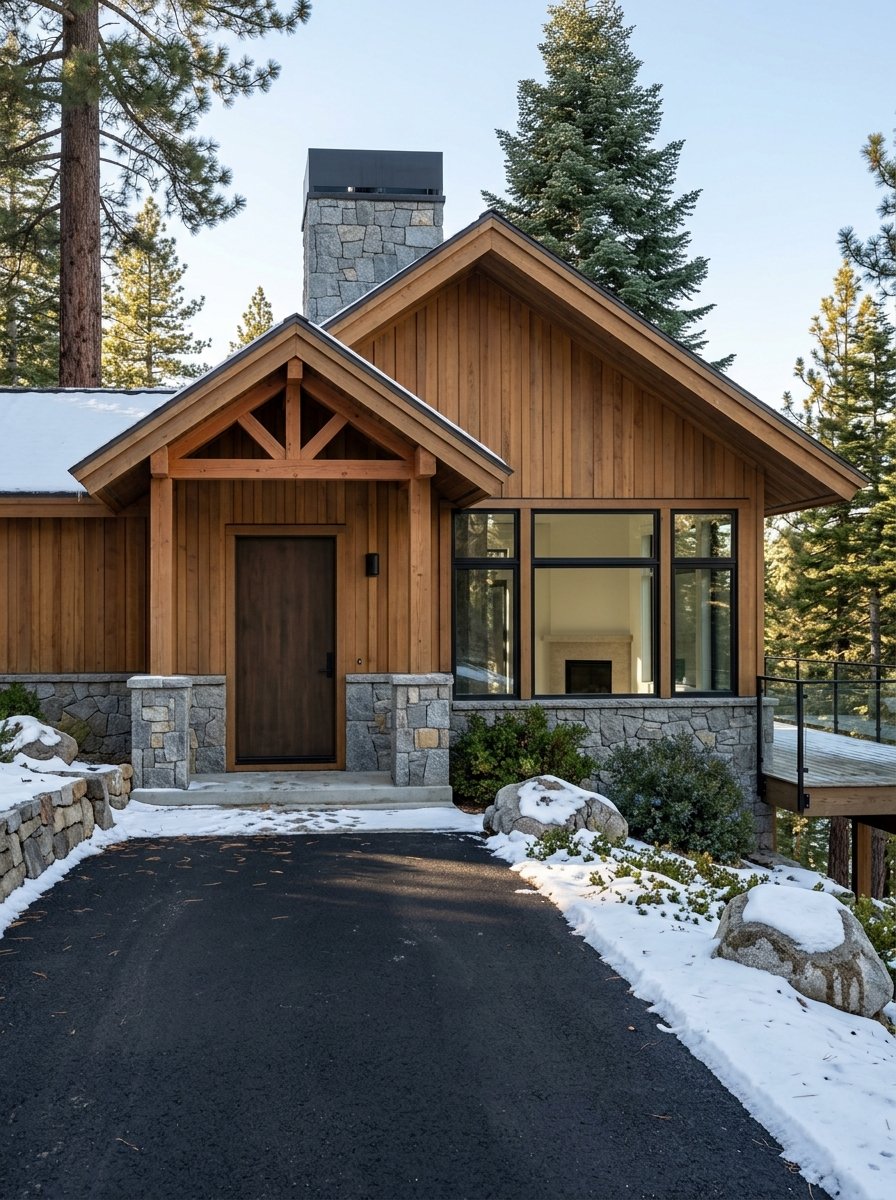
If you have ever driven Tahoe’s West Shore and thought, Why does every home feel different, yet still belong here? you are noticing one of this area’s defining traits. From classic cabins to updated lakefront homes, West Shore architecture is shaped by history, setting, winter weather, wildfire planning, and local design rules. If you are buying or selling in 96141, understanding those styles can help you read a property more clearly and spot what truly adds value. Let’s dive in.
Why West Shore architecture stands out
The West Shore Plan Area is the largest of Placer County’s Tahoe Basin sub-planning areas and includes Tahoe Pines, Homewood, Chambers Lodge, Sunnyside, and Tahoma. This is not a place where architecture exists apart from the land. Homes here sit within a highly visible mountain and lake setting, and exterior changes may trigger scenic and design review in addition to local permitting.
That matters because style on the West Shore is not just about looks. A home’s roof shape, materials, massing, and relationship to the lot can affect winter use, maintenance, future remodel options, and how easily it fits local review standards. In other words, architecture here is practical as much as it is visual.
Old Tahoe style on the West Shore
What Old Tahoe looks like
When most buyers picture a classic West Shore home, they are usually thinking of Old Tahoe or Historic Alpine design. TRPA’s West Shore standards say new buildings and additions should reflect Old Tahoe or Historic Alpine features, use quality materials and natural colors, and avoid a bulky box-like appearance.
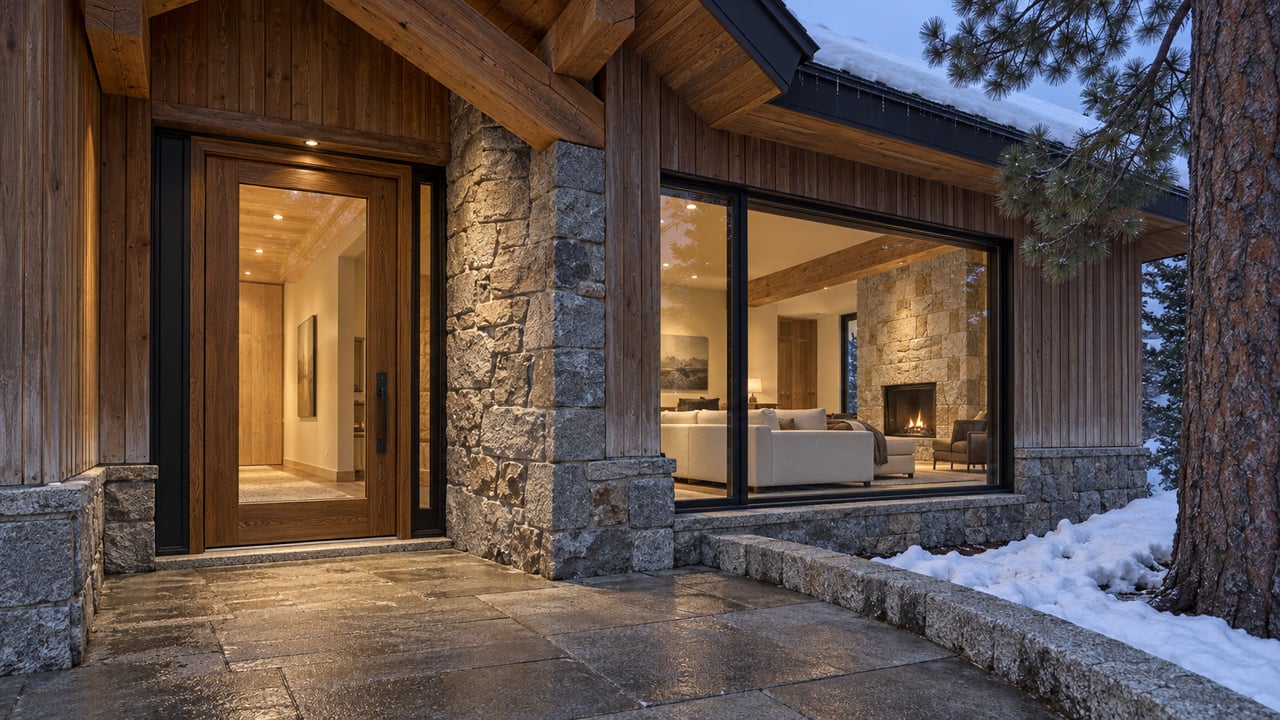
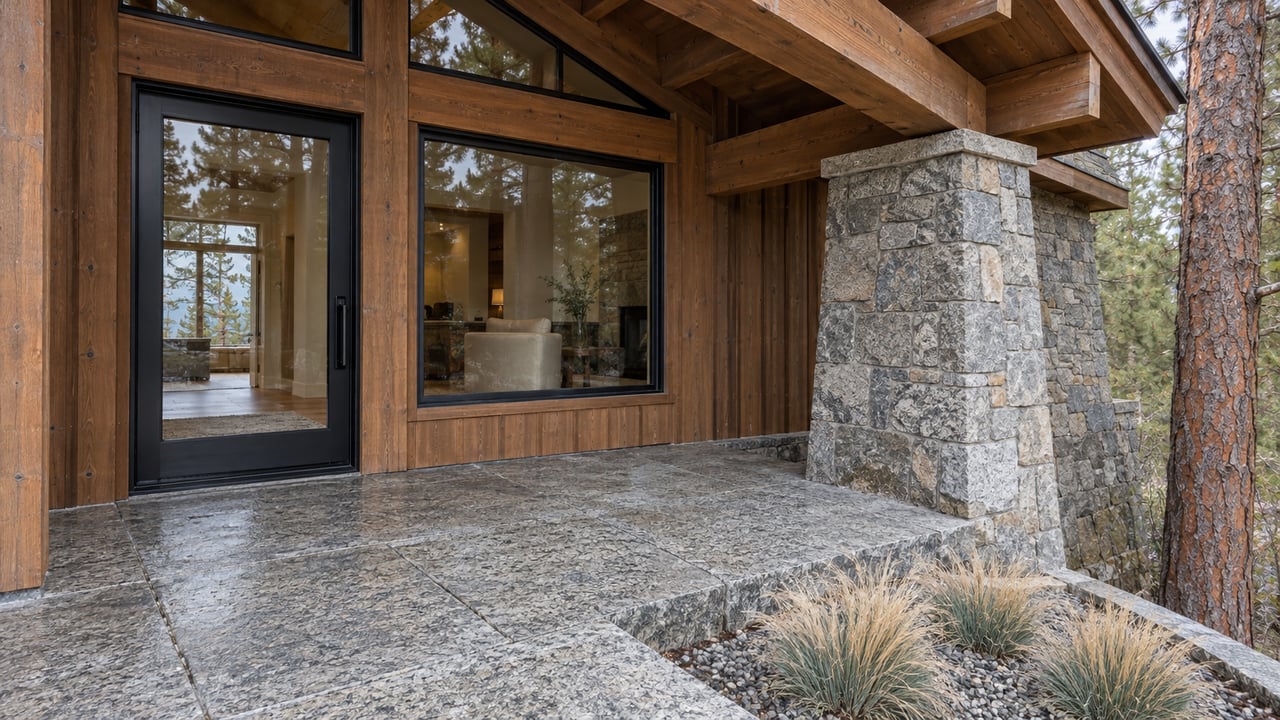
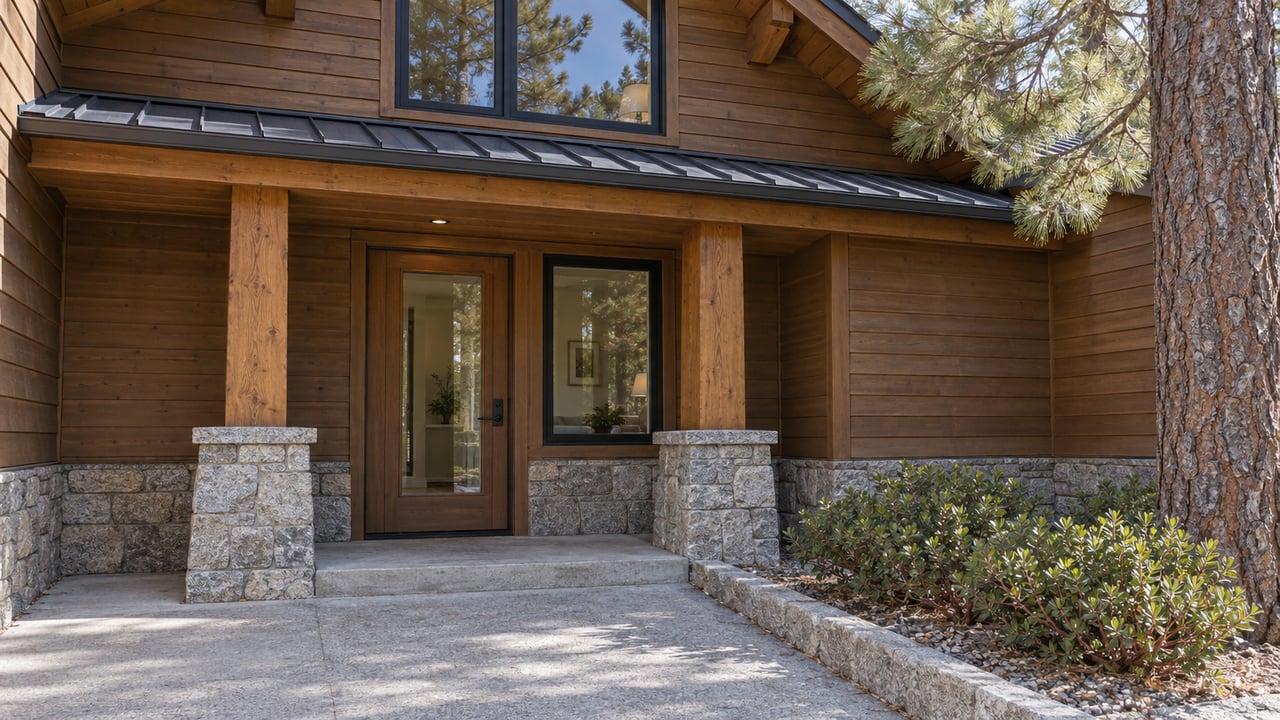
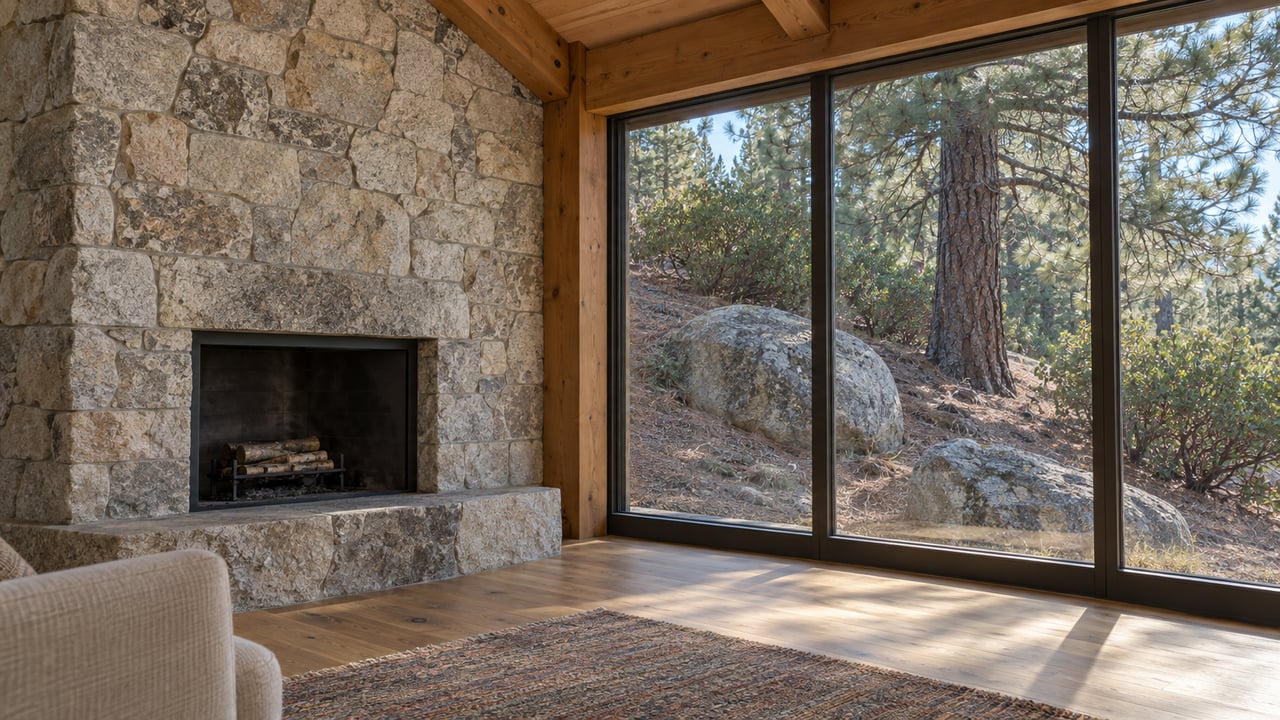
In real life, that often means pitched roofs, generous eaves, wood siding, exposed beams, and stone elements such as a chimney or foundation base. These homes tend to feel human-scaled and site-responsive, blending into the terrain rather than dominating it.
Why buyers love this style
Old Tahoe homes often create an immediate sense of place. They feel tied to the forest, the lake, and the long history of West Shore cabins and lodges.
They can also perform well in winter when the rooflines, overhangs, and covered entries were designed with snow and ice in mind. That does not mean every older rustic home is low maintenance, but it does mean the original design language often had Tahoe weather built into it.
Mixed styles are common here
Many homes are layered over time
One of the most important things to know about West Shore architecture is that many homes are not pure examples of a single style. The basin’s built environment has been shaped by older housing stock, repeated renovations, additions, and material updates over time.
That means a house may have started as a simple cabin, gained a new wing decades later, then received larger windows or a contemporary interior remodel after that. What you see today is often a layered property rather than a single-period design.
Styles often overlap
A recent West Shore historic survey identified Vernacular Log Cabin, Resort Rustic, Bungalow/Craftsman, Tudor Revival, Minimal Traditional, Ranch, and Alpine Modern forms. For buyers, that means labels in marketing can be helpful, but they are rarely the whole story.
A home might read rustic from the street, show Tudor influence in the roofline, and feel contemporary through its windows or interior finishes. The smartest approach is to look at the actual design features instead of relying only on the style name.
Storybook cottages and revival details
What buyers mean by storybook
On the West Shore, “storybook” usually works better as a descriptive label than a strict architectural category. Buyers often use it for romantic cottages with charming rooflines, prominent fireplaces, and a cozy, character-rich feel.
In broader California historic terms, storybook style overlaps with English Cottage Revival and Tudor Revival cues. Common details can include irregular roof forms, textured materials, arches, balconies, and large fireplaces.
How this shows up in Tahoe
In Tahoe, these homes are usually toned to the mountain setting rather than highly theatrical. You may see a cottage-like house with steep rooflines, detailed trim, and a warm, intimate scale that feels a little whimsical while still fitting the pines and snow country setting.
If you are drawn to this look, pay close attention to what is original and what was added later. The most appealing homes tend to keep a clear design identity, even after updates.
Alpine Modern and contemporary homes
A newer layer of West Shore design
Contemporary architecture is part of the West Shore story too. Historic survey work identifies Alpine Modern as one of the forms present in the area, so modern homes here are not simply imported from another market.
These homes often feature simpler massing, larger areas of glass, and a more open relationship to lake views or surrounding trees. In listing language, you may hear terms like mountain modern or glassy lakefront modern, but Alpine Modern is the more formal local label.
What to evaluate beyond the look
Modern homes can be stunning, especially when they frame the landscape well. Still, on the West Shore, a sleek exterior has to do more than photograph beautifully.
TRPA design standards emphasize articulated facades, roof forms that work with local conditions, and design responses to snow and ice on building access. A successful contemporary home here should feel view-driven without ignoring drainage, snow load, and year-round maintenance realities.
Style and function go together
Rooflines, eaves, and access matter
On the West Shore, roof pitch, eaves, and massing are not just style signals. They are also performance decisions.
Covered walkways, balconies, shed or clip-gambrel roof forms where appropriate, and articulated facades all show up in local design standards. For you as a buyer, that means the home’s silhouette may say a lot about how well it handles winter living.
Materials affect upkeep
Wood, stone, and exposed structural elements are part of the local design language, but they also come with upkeep questions. Older rustic materials may bring character, while newer replacements may offer easier maintenance.
That is why it helps to ask whether exterior materials were updated, how the roof and drainage systems perform, and whether later additions match the original design. Good architecture here is not just attractive. It tends to be cohesive and workable.
Wildfire readiness is part of design
Curb appeal is not enough
A beautiful West Shore property also needs to be maintainable in a wildfire-prone landscape. Placer County says defensible space, along with home hardening, is essential to help a house survive wildfire.
Its current guidance defines Zone 0 as the 0-to-5-foot ember-resistant area around the structure and calls for noncombustible materials there. So when you tour a home, the near-house landscaping and exterior details deserve just as much attention as the views.
Trees and vegetation matter too
TRPA also supports defensible space measures, and trees under 14 inches diameter at breast height can often be removed without a tree permit, subject to location and other exceptions. That means the lot itself is part of the value equation.
If a home looks tucked beautifully into the trees, it is worth asking how that setting is being managed. A property that balances privacy, design, and defensible space can be much easier to own with confidence.
Lakefront architecture includes regulation
Shoreline improvements can change value
For lakefront homes, architecture extends beyond the house. Piers, buoys, moorings, and other shorezone improvements can be a meaningful part of how a property is used and how buyers compare one home to another.
TRPA’s 2018 Shoreline Plan ended the old moratorium on new shorezone structures, but new piers and moorings remain capped and additional permits move through allocation and lottery systems. Because of that scarcity, an existing lawful shoreline improvement may carry real practical importance.
Scenic review can affect exterior changes
TRPA says properties within or visible from scenic resource areas are subject to scenic standards. Those scenic areas include the shoreline, major roadway corridors, and public recreation areas and trails.
If a home is visible from those areas, future exterior work may be reviewed for how it blends with the natural setting. This is one reason West Shore architecture is best understood as a mix of style, site, and regulation.
What to ask when touring homes
If you are comparing homes on Tahoe’s West Shore, these questions can help you look beyond surface appeal:
- What parts of the home are original, and what was rebuilt or added later?
- Is the property in a scenic resource area, and did exterior work go through design review?
- Has defensible space been evaluated, and are there any unresolved vegetation or home-hardening items?
- If it is lakefront, are piers, buoys, moorings, or other shoreline improvements properly permitted and current?
- Do the roof form, eaves, windows, and materials support the style the home is trying to express?
- If the home is described as Old Tahoe, storybook, or mountain modern, which features actually justify that label?
These are the kinds of details that can clarify long-term maintenance, renovation potential, and future resale appeal. They also help you separate a well-resolved home from one that simply has a good marketing description.
Why style knowledge helps you buy smarter
The most appealing West Shore homes usually do more than fit a style category. They align character, winter performance, wildfire readiness, scenic compatibility, and in some cases shoreline entitlements.
That is especially important in a market where many homes have evolved over time. A design-savvy read of a property can help you understand whether the home’s charm is skin-deep or supported by thoughtful choices that will matter for years to come.
If you are considering a cabin, lakefront home, or newer mountain property on Tahoe’s West Shore, it helps to work with a team that can evaluate both aesthetics and the practical side of ownership. That blend is where good decisions get made. When you are ready to talk through style, site, and market fit, connect with Carina Cutler.
FAQs
What architectural styles are most common on Tahoe’s West Shore?
- Buyers are most likely to see Old Tahoe or Historic Alpine, rustic and vernacular cabins, Resort Rustic, Bungalow/Craftsman, Tudor Revival or English Cottage-inspired homes, Ranch forms, and Alpine Modern or contemporary homes.
What does Old Tahoe style mean on the West Shore?
- Old Tahoe usually refers to homes with pitched roofs, strong eaves, wood siding, stone features, exposed beams, natural colors, and a design that feels scaled to the site and mountain setting.
Are West Shore homes usually one pure architectural style?
- No. Many homes reflect layered remodels and additions, so it is common to see properties that blend rustic, cottage, Tudor, or contemporary elements rather than fit one exact category.
Why do rooflines and eaves matter in West Shore homes?
- On the West Shore, roof forms and overhangs are not just visual details. They also relate to snow handling, winter access, drainage, and overall year-round functionality.
How does wildfire planning affect West Shore home design?
- Placer County says defensible space and home hardening are essential, including a 0-to-5-foot ember-resistant Zone 0 around the house with noncombustible materials, so the lot design matters along with the home itself.
What should buyers ask about a West Shore lakefront property?
- You should ask whether any piers, buoys, moorings, or other shoreline improvements are lawful, properly permitted, and current, because shoreline entitlements are limited and can materially affect how the property is used.